
Boiler Installation Oxford: Why Radiator Sludge Should Be Checked First
A new boiler is often treated as a straightforward replacement: remove the old appliance, connect the new one and switch the heating back on. In reality, the condition of the existing heating circuit can have a major influence on how well the new boiler performs.

Why you can trust our content
We understand that the boiler industry can be confusing, with plenty of outdated or misleading information. That’s why we rely only on trusted, proven sources to guide our advice and installations:

At a glance
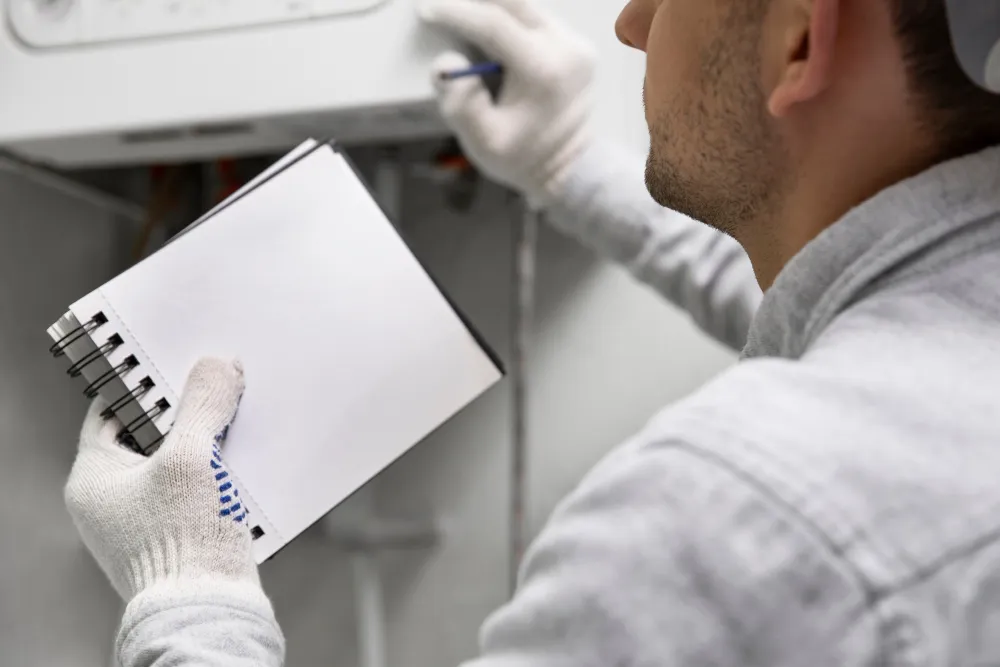
One of the most common issues is radiator sludge. Built-up debris in radiators and pipework can restrict water flow, reduce heating efficiency and place unnecessary strain on components. Before arranging a new boiler, it is worth understanding what is inside the system as well as what is being installed.
If you are considering boiler installation Oxford, checking the heating circuit first can help avoid problems after the new boiler has been commissioned.
If you are unsure about the condition of your heating system, contact the JA Plumbing & Heating team for practical advice before committing to an installation.
What is radiator sludge and how does it develop?
Radiator sludge is a mixture of corrosion products, magnetite, rust and other debris that can accumulate inside a central heating system over time.
It commonly develops when metal components within the system react with water and oxygen. Older systems can be particularly vulnerable, especially where water quality, inhibitor levels or previous maintenance have not been properly managed.
Sludge can settle in radiators, valves and sections of pipework. Because much of it is hidden, homeowners may not realise there is a problem until heating performance starts to deteriorate.
Typical signs include:
- Radiators that are cold at the bottom but warm at the top
- Some radiators taking noticeably longer to heat
- Areas of the home remaining colder than expected
- Boiler or heating pump becoming noisy
- Frequent pressure or circulation-related problems
- Dirty or dark water when radiators are drained
These symptoms do not automatically prove that sludge is present, but they can justify further investigation.
Why should sludge be checked before a new boiler is installed?
A modern boiler can be significantly more sensitive to poor system water quality than an older appliance. If an existing heating circuit contains substantial debris, that material can circulate through the system and potentially affect the new boiler’s heat exchanger, pump or other components.
This is why system condition should form part of the installation assessment rather than being treated as an afterthought.
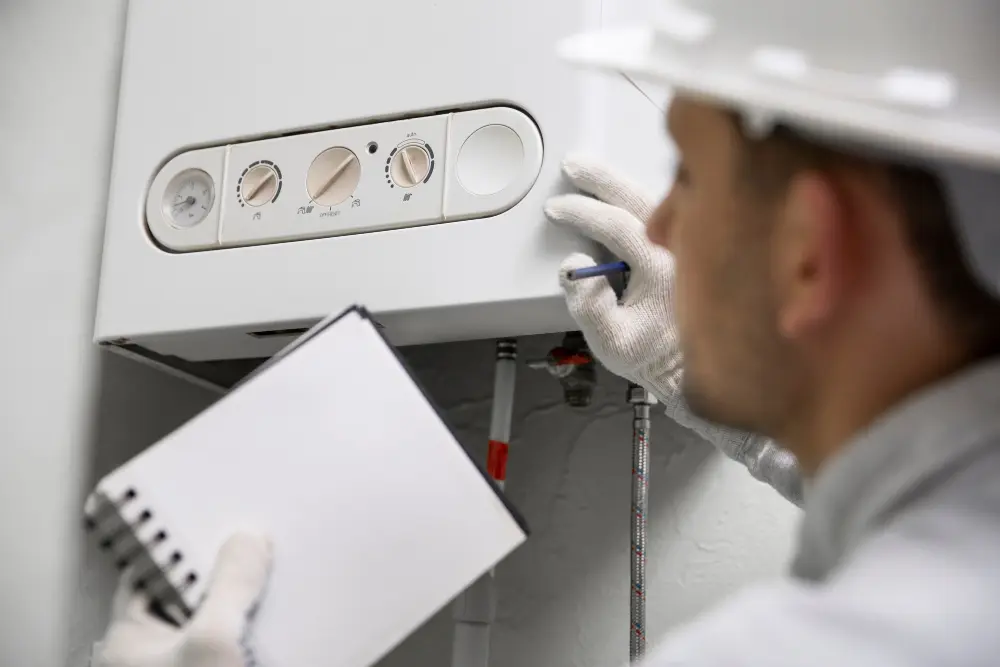
A competent boiler fitter Oxford homeowners choose should assess the existing system and consider whether cleaning or other protective measures are appropriate before commissioning the new appliance.
What can happen if an old heating system is left dirty?
A dirty circuit does not necessarily mean a new boiler cannot be installed. However, installing a new appliance without addressing significant contamination can create avoidable risks.
| Heating system issue | Possible effect |
| Sludge in radiators | Reduced heat output |
| Debris in pipework | Restricted circulation |
| Poor system water quality | Component wear |
| Contaminated heating circuit | Greater risk of boiler faults |
| Existing corrosion | Continued debris production |
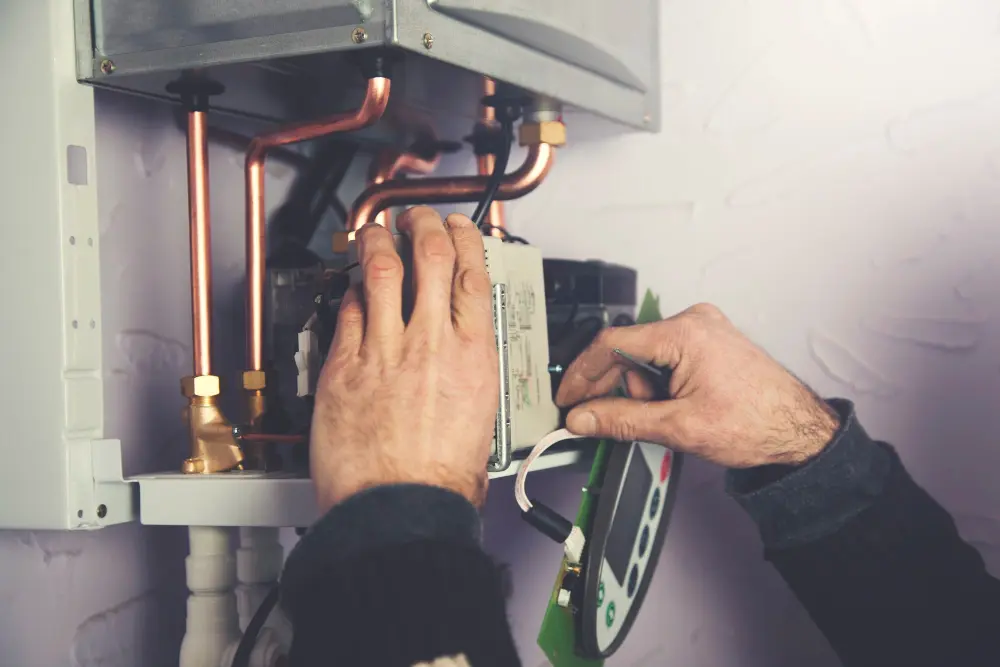
The appropriate solution depends on the condition and design of the system. In some cases, a chemical clean may be sufficient. Where contamination is more severe, a power flush or another form of system cleaning may be considered.
Let’s get started, Which fuel powers your boiler?
It just takes 60 Sec
And then you can book a free consultation
Does every boiler replacement need a power flush?
No. A power flush is not automatically required every time a boiler is replaced.
The heating engineer should assess factors such as the age of the system, radiator condition, water quality, circulation, previous maintenance and the amount of visible or suspected contamination.
A system that is relatively clean and has good circulation may need little more than appropriate preparation and protection. A heavily contaminated system may require more extensive cleaning.
This distinction matters because homeowners should receive advice based on the actual condition of their heating circuit rather than being offered unnecessary work as a standard add-on.
How can system cleaning help protect a new boiler?
Cleaning the heating circuit removes or reduces accumulated debris so that cleaner system water can circulate through the new appliance and radiators.
This can support:
- Better water circulation
- More consistent radiator temperatures
- Improved heat transfer
- Reduced debris reaching boiler components
- More reliable operation
- A cleaner starting point for ongoing system maintenance
System protection does not stop there. A magnetic filter can also help capture ferrous debris as the heating system operates.
A boiler fitter Oxford residents trust should be able to explain whether a filter, inhibitor or cleaning treatment is appropriate for the particular heating system.
Should a magnetic filter be installed with a new boiler?
A magnetic filter can be a useful protective component on many wet central heating systems. It is designed to capture magnetic particles circulating in the heating water before they can continue around the circuit.
It should not be viewed as a substitute for cleaning a heavily contaminated system. Instead, it can form part of a wider approach to protecting the boiler and maintaining water quality.
The engineer should consider the system as a whole, including the pipework, radiators, boiler and existing controls.
A typical Oxford home scenario
Consider an older Oxford property with several radiators that have gradually become less effective. The boiler is approaching the end of its useful life, but the homeowner assumes that replacing the appliance alone will solve the heating problem.
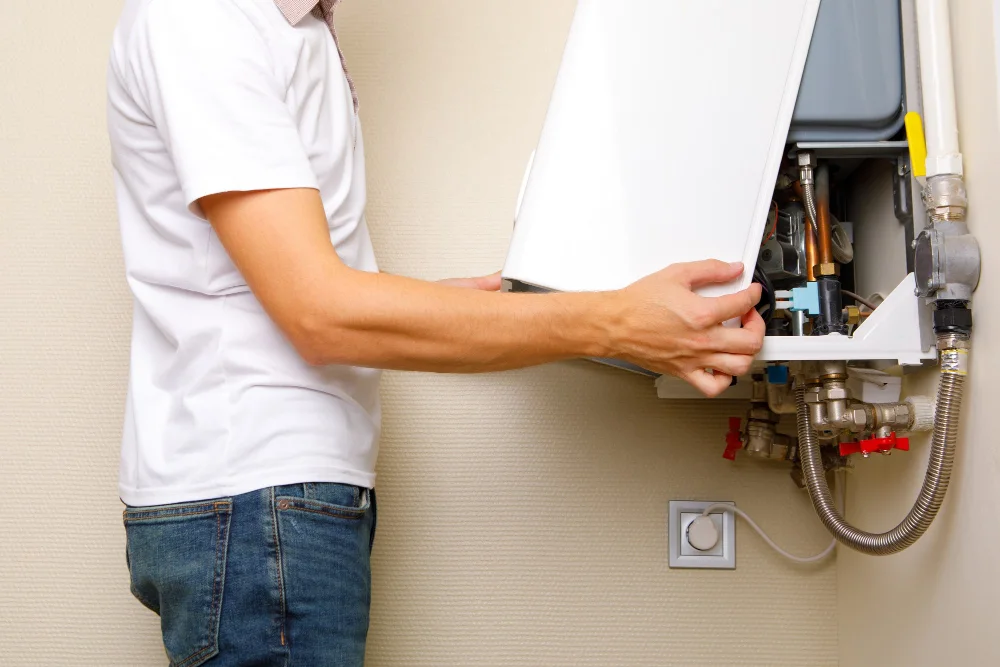
During the assessment, the engineer finds signs of poor circulation and contamination within the system. Rather than simply fitting the replacement boiler, the heating circuit is assessed and cleaned as necessary before the new appliance is commissioned.
This approach gives the new boiler a cleaner environment in which to operate and helps address the underlying heating issue rather than simply replacing the appliance.
If you are planning boiler installation Oxford, ask the installer to explain what checks will be carried out on your existing heating circuit and whether cleaning or protection is recommended.
What should homeowners ask before approving an installation?
A good installation quote should make it reasonably clear what is included and what may be recommended after the heating system has been inspected.
Useful questions include:
- Will the existing heating circuit be assessed before installation?
- Are the radiators and pipework showing signs of sludge or corrosion?
- Is system cleaning required?
- Will a magnetic filter be recommended?
- Will inhibitor be added after cleaning?
- How will the system be checked before the new boiler is commissioned?
- Are any additional works included in the quoted price?
These questions can make comparisons between installation proposals much easier. They also help ensure that attention is given to the whole heating system rather than just the boiler itself.
How can you reduce the risk of sludge returning?
Once a heating system has been cleaned, ongoing maintenance can help protect its condition.
Keeping inhibitor at an appropriate level, checking system water when servicing the boiler and maintaining any fitted magnetic filter can all contribute to better system water quality.
It is also sensible to investigate recurring circulation or radiator problems rather than repeatedly treating the symptoms. Persistent debris can indicate an underlying corrosion issue that needs professional attention.
For tailored advice about your heating system, speak to JA Plumbing & Heating. A proper assessment can help determine whether cleaning, filtration or other preparation should form part of the installation.
Final Thoughts
Replacing a boiler is an opportunity to look beyond the appliance itself. If an older heating circuit contains sludge, corrosion or other debris, dealing with those issues before commissioning the new boiler can help support reliable circulation and long-term performance.
A careful assessment does not necessarily mean additional work is required. It means the recommendation is based on the actual condition of the system. With experienced guidance from JA Plumbing & Heating, homeowners can make a more informed decision about preparing and protecting their heating system.
Related articles


Let’s get started, Which fuel powers your boiler?
At a glance
One of the most common issues is radiator sludge. Built-up debris in radiators and pipework can restrict water flow, reduce heating efficiency and place unnecessary strain on components. Before arranging a new boiler, it is worth understanding what is inside the system as well as what is being installed.
If you are considering boiler installation Oxford, checking the heating circuit first can help avoid problems after the new boiler has been commissioned.
If you are unsure about the condition of your heating system, contact the JA Plumbing & Heating team for practical advice before committing to an installation.
What is radiator sludge and how does it develop?
Radiator sludge is a mixture of corrosion products, magnetite, rust and other debris that can accumulate inside a central heating system over time.
It commonly develops when metal components within the system react with water and oxygen. Older systems can be particularly vulnerable, especially where water quality, inhibitor levels or previous maintenance have not been properly managed.
Sludge can settle in radiators, valves and sections of pipework. Because much of it is hidden, homeowners may not realise there is a problem until heating performance starts to deteriorate.
Typical signs include:
- Radiators that are cold at the bottom but warm at the top
- Some radiators taking noticeably longer to heat
- Areas of the home remaining colder than expected
- Boiler or heating pump becoming noisy
- Frequent pressure or circulation-related problems
- Dirty or dark water when radiators are drained
These symptoms do not automatically prove that sludge is present, but they can justify further investigation.
Why should sludge be checked before a new boiler is installed?
A modern boiler can be significantly more sensitive to poor system water quality than an older appliance. If an existing heating circuit contains substantial debris, that material can circulate through the system and potentially affect the new boiler’s heat exchanger, pump or other components.
This is why system condition should form part of the installation assessment rather than being treated as an afterthought.
A competent boiler fitter Oxford homeowners choose should assess the existing system and consider whether cleaning or other protective measures are appropriate before commissioning the new appliance.
What can happen if an old heating system is left dirty?
A dirty circuit does not necessarily mean a new boiler cannot be installed. However, installing a new appliance without addressing significant contamination can create avoidable risks.
| Heating system issue | Possible effect |
| Sludge in radiators | Reduced heat output |
| Debris in pipework | Restricted circulation |
| Poor system water quality | Component wear |
| Contaminated heating circuit | Greater risk of boiler faults |
| Existing corrosion | Continued debris production |
The appropriate solution depends on the condition and design of the system. In some cases, a chemical clean may be sufficient. Where contamination is more severe, a power flush or another form of system cleaning may be considered.
Let’s get started, Which fuel powers your boiler?
It just takes 60 Sec
And then you can book a free consultation
Does every boiler replacement need a power flush?
No. A power flush is not automatically required every time a boiler is replaced.
The heating engineer should assess factors such as the age of the system, radiator condition, water quality, circulation, previous maintenance and the amount of visible or suspected contamination.
A system that is relatively clean and has good circulation may need little more than appropriate preparation and protection. A heavily contaminated system may require more extensive cleaning.
This distinction matters because homeowners should receive advice based on the actual condition of their heating circuit rather than being offered unnecessary work as a standard add-on.
How can system cleaning help protect a new boiler?
Cleaning the heating circuit removes or reduces accumulated debris so that cleaner system water can circulate through the new appliance and radiators.
This can support:
- Better water circulation
- More consistent radiator temperatures
- Improved heat transfer
- Reduced debris reaching boiler components
- More reliable operation
- A cleaner starting point for ongoing system maintenance
System protection does not stop there. A magnetic filter can also help capture ferrous debris as the heating system operates.
A boiler fitter Oxford residents trust should be able to explain whether a filter, inhibitor or cleaning treatment is appropriate for the particular heating system.
Should a magnetic filter be installed with a new boiler?
A magnetic filter can be a useful protective component on many wet central heating systems. It is designed to capture magnetic particles circulating in the heating water before they can continue around the circuit.
It should not be viewed as a substitute for cleaning a heavily contaminated system. Instead, it can form part of a wider approach to protecting the boiler and maintaining water quality.
The engineer should consider the system as a whole, including the pipework, radiators, boiler and existing controls.
A typical Oxford home scenario
Consider an older Oxford property with several radiators that have gradually become less effective. The boiler is approaching the end of its useful life, but the homeowner assumes that replacing the appliance alone will solve the heating problem.
During the assessment, the engineer finds signs of poor circulation and contamination within the system. Rather than simply fitting the replacement boiler, the heating circuit is assessed and cleaned as necessary before the new appliance is commissioned.
This approach gives the new boiler a cleaner environment in which to operate and helps address the underlying heating issue rather than simply replacing the appliance.
If you are planning boiler installation Oxford, ask the installer to explain what checks will be carried out on your existing heating circuit and whether cleaning or protection is recommended.
What should homeowners ask before approving an installation?
A good installation quote should make it reasonably clear what is included and what may be recommended after the heating system has been inspected.
Useful questions include:
- Will the existing heating circuit be assessed before installation?
- Are the radiators and pipework showing signs of sludge or corrosion?
- Is system cleaning required?
- Will a magnetic filter be recommended?
- Will inhibitor be added after cleaning?
- How will the system be checked before the new boiler is commissioned?
- Are any additional works included in the quoted price?
These questions can make comparisons between installation proposals much easier. They also help ensure that attention is given to the whole heating system rather than just the boiler itself.
How can you reduce the risk of sludge returning?
Once a heating system has been cleaned, ongoing maintenance can help protect its condition.
Keeping inhibitor at an appropriate level, checking system water when servicing the boiler and maintaining any fitted magnetic filter can all contribute to better system water quality.
It is also sensible to investigate recurring circulation or radiator problems rather than repeatedly treating the symptoms. Persistent debris can indicate an underlying corrosion issue that needs professional attention.
For tailored advice about your heating system, speak to JA Plumbing & Heating. A proper assessment can help determine whether cleaning, filtration or other preparation should form part of the installation.
Final Thoughts
Replacing a boiler is an opportunity to look beyond the appliance itself. If an older heating circuit contains sludge, corrosion or other debris, dealing with those issues before commissioning the new boiler can help support reliable circulation and long-term performance.
A careful assessment does not necessarily mean additional work is required. It means the recommendation is based on the actual condition of the system. With experienced guidance from JA Plumbing & Heating, homeowners can make a more informed decision about preparing and protecting their heating system.