
New Combi Boiler Oxford: Can It Solve Noisy Heating and Unreliable Hot Water?
A boiler that becomes noisy, unreliable or increasingly difficult to live with can make everyday heating feel unnecessarily complicated. Perhaps the radiators take longer to warm up, the boiler repeatedly switches on and off, or the hot water temperature changes without warning.

Why you can trust our content
We understand that the boiler industry can be confusing, with plenty of outdated or misleading information. That’s why we rely only on trusted, proven sources to guide our advice and installations:

At a glance
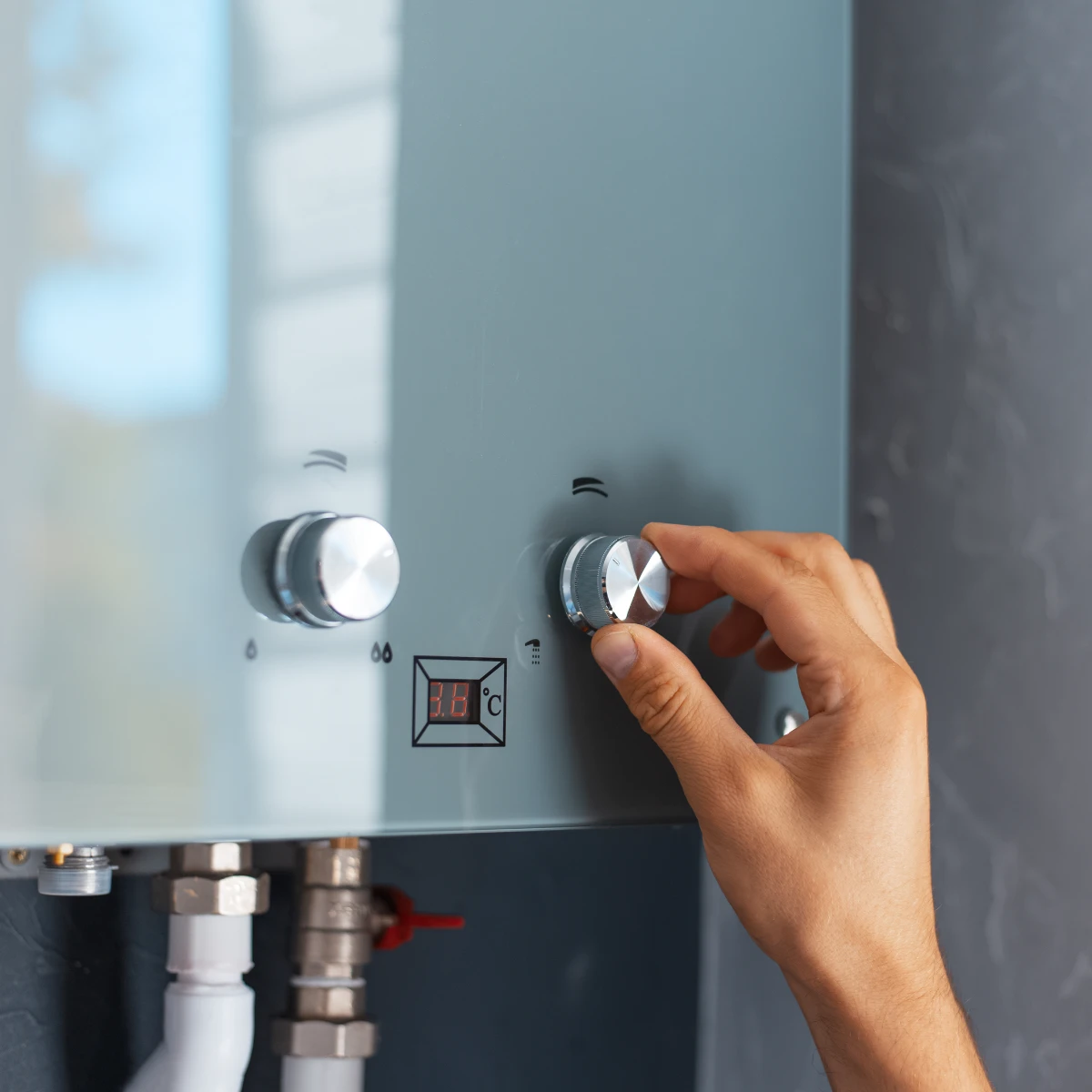
When these problems begin appearing together, replacing the appliance may be worth considering. For some households, a combi boiler can offer a practical way to improve both heating and hot water performance while keeping the installation relatively compact.
However, a new combi boiler oxford homeowners are considering should not be chosen simply because it is newer. The property, existing heating system, hot water demand and installation requirements all need to be assessed first.
If your existing boiler is becoming noisy or unreliable, JA Plumbing & Heating can assess the system and explain whether a combi replacement is appropriate or whether another solution would be more suitable.
How does a combi boiler work?
A combination boiler, commonly called a combi boiler, provides central heating and hot water from a single appliance.
Unlike a conventional system that uses a separate hot water cylinder, a combi boiler heats water directly when a hot tap or shower is turned on. This means there is no need to store hot water in a cylinder for normal domestic use.
For many homes, this arrangement provides several practical advantages:
- No separate hot water cylinder is required
- Hot water is available on demand
- Less storage space may be needed
- The system can be relatively straightforward
- Heating and hot water are controlled through one main appliance
However, combi boilers are not ideal for every property. If several bathrooms are likely to be used simultaneously, or household hot water demand is particularly high, another system arrangement may provide a better experience.
Can a new combi boiler stop unusual boiler noises?
It can, but only if the noise is caused by the existing appliance or components that are being replaced.
Common boiler noises include banging, whistling, humming, clicking and gurgling. Their causes vary considerably. Some may be related to circulation, scale, air, pumps, ignition components or other faults.
A new appliance can remove problems associated with an ageing boiler, but replacing the boiler will not automatically correct every fault in the heating system.
For example, if restricted pipework is causing circulation problems, installing a new boiler without addressing the underlying issue may simply transfer some of the problem to the new system.
This is why diagnosis should come before replacement.
What about unreliable hot water?
Unreliable hot water can be particularly frustrating because the problem becomes noticeable during everyday activities such as showering, washing dishes or filling a bath.
Possible causes include:
- Boiler component faults
- Incorrect temperature settings
- Poor water pressure
- Flow rate limitations
- Scale or restrictions
- Faulty controls
- An ageing appliance
A new combi boiler oxford households choose can improve hot water reliability when the existing boiler is the source of the problem and the new system is correctly sized.
However, water pressure and flow rate also matter. A combi boiler cannot deliver more hot water than the incoming mains supply and appliance capacity allow.
For this reason, an installer should assess the property’s water supply rather than selecting a boiler based only on the number of bedrooms.
Is a combi boiler suitable for every Oxford home?
No. The suitability of a combi boiler depends on the property and household.
A smaller home with one bathroom and moderate hot water demand may be well suited to a combi system. A larger household with several bathrooms and simultaneous hot water demand may need a different arrangement.
The available space is another consideration. Combi boilers can be attractive where storage space is limited because there is no separate cylinder to accommodate.
An assessment should consider:
| Factor | Why it matters |
| Number of bathrooms | Helps determine hot water demand |
| Household size | More occupants can mean greater simultaneous use |
| Water pressure | Affects hot water delivery |
| Available space | Influences which boiler system is practical |
| Existing heating system | May affect installation requirements |
| Heating demand | Helps determine suitable boiler output |
| Future plans | Extensions or household changes can alter requirements |
A good installer will consider the complete picture before recommending a system.
Let’s get started, Which fuel powers your boiler?
It just takes 60 Sec
And then you can book a free consultation
Could replacing an old combi boiler improve heating performance?
Potentially. If the existing boiler has become inefficient, unreliable or affected by recurring component faults, replacement can restore more dependable operation.
Modern boilers can also modulate their output to better match heating demand. This can help reduce unnecessary cycling when the system is appropriately designed and controlled.
However, boiler performance depends on more than the appliance itself.
Radiators, pipework, controls, system cleanliness and water circulation can all influence the result. If these areas are overlooked, a new boiler may not deliver the improvement the homeowner expected.
This is particularly important when replacing an older appliance that has been operating with the same heating system for many years.
Before choosing a replacement, speak to JA Plumbing & Heating about your existing heating system, hot water demand and the problems you are experiencing. A proper assessment can help establish whether a combi boiler is the right fit.
What should you check before choosing a new combi boiler?
The boiler’s output is one of the most important considerations.
A boiler that is too small may struggle to meet demand, while an unnecessarily large appliance may cycle more frequently than needed. The correct output should reflect the property’s heating requirements and, for a combi, the household’s hot water demand.
It is also worth considering controls. Modern heating controls can help homeowners manage temperature more precisely and avoid heating the property unnecessarily.
Other factors include:
- Boiler location
- Flue requirements
- Gas supply
- Existing pipework
- Water pressure and flow
- Heating controls
- System condition
- Access for installation and servicing
The most suitable boiler is therefore not necessarily the one with the highest output or the lowest purchase price.
Does combi boiler installation involve more than replacing the appliance?
Yes. Even when a replacement boiler remains in the same location, the installation involves more than disconnecting the old appliance and connecting a new one.
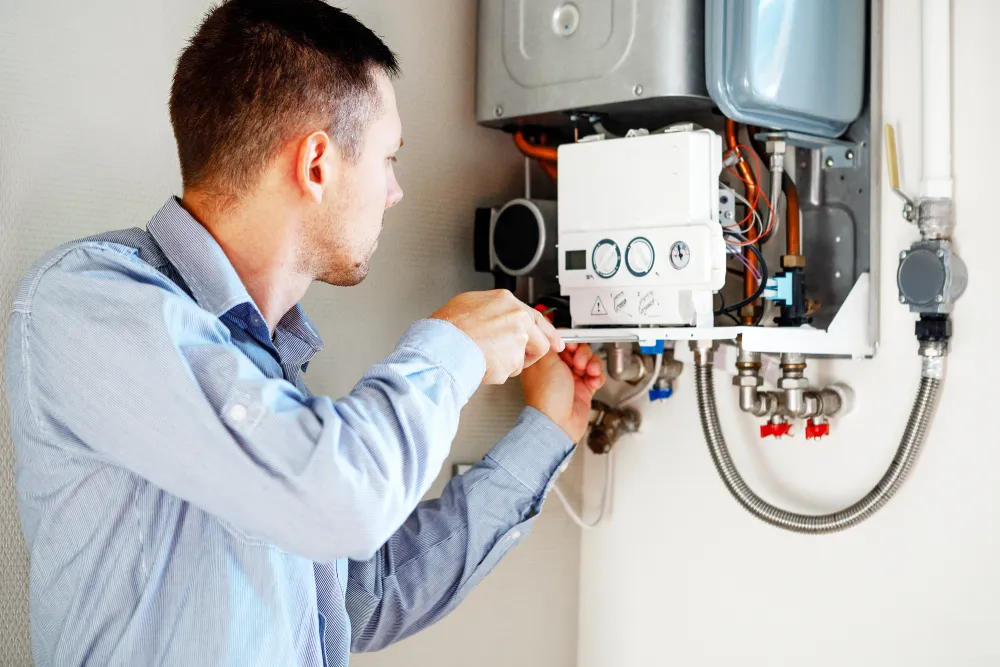
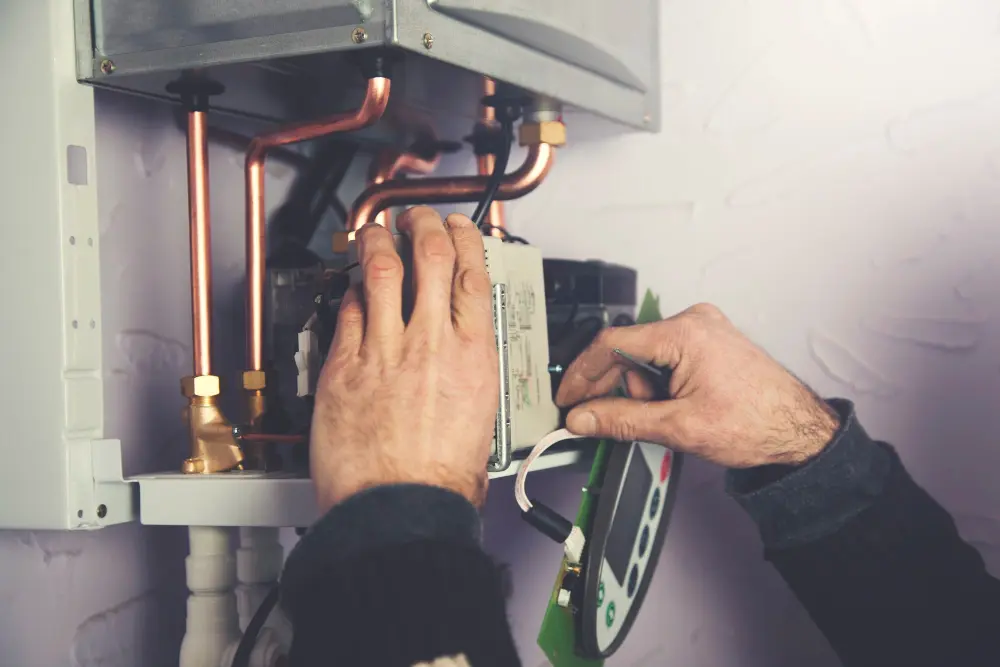
The installer may need to assess and adapt pipework, controls, flue arrangements and other components. The system should then be tested and commissioned properly.
Where an older installation has developed corrosion, poor circulation or other issues, additional work may be recommended.
This is why combi boiler installation oxford should be approached as a complete heating project rather than simply an appliance swap.
A typical Oxford replacement scenario
Imagine a homeowner in an older Oxford property with a combi boiler that has been installed for many years.
Recently, the boiler has started making a loud humming noise and occasionally cuts out. The hot water is also becoming inconsistent, particularly when demand increases.
An engineer inspects the appliance and wider system. The boiler has several ageing components and its repair history shows that faults are becoming more frequent. The property’s water supply is suitable for a modern combi, and there is no need for a separate cylinder.
In this situation, replacing the appliance with a correctly sized combi boiler may provide a more practical long-term solution than continuing to repair an ageing unit.
The important point is that the recommendation comes from assessing the property and symptoms rather than assuming every noisy boiler needs the same replacement.
How can you tell whether replacement is better than repair?
There are several questions worth asking before making the decision.
Is the boiler reliable? Occasional faults may be manageable, but frequent breakdowns can indicate declining reliability.
Are repairs becoming expensive? A series of repairs can change the financial calculation.
Is the boiler suitable for the household? Household needs may have changed since the original installation.
Is hot water performance still adequate? Repeated temperature problems should be investigated.
Are the noises getting worse? New or increasingly loud noises should not be ignored.
Is the heating system itself in good condition? A boiler replacement may be only one part of the required work.
There is no universal point at which replacement becomes the correct decision. A professional assessment helps put these factors into context.
What can homeowners do to keep a new combi boiler performing well?
Once a replacement has been installed, sensible maintenance can help protect its performance.
Homeowners should:
- Arrange regular servicing
- Pay attention to new noises
- Monitor unusual pressure changes
- Avoid repeatedly resetting the boiler
- Have error codes investigated
- Keep controls correctly programmed
- Report recurring hot water problems
- Follow the manufacturer’s maintenance guidance
Small changes in performance can sometimes provide useful early warning of a developing fault.
If your heating or hot water has become unreliable, JA Plumbing & Heating can help you understand whether repair, adjustment or a replacement system is appropriate for your home.
Final Thoughts
A noisy boiler and unreliable hot water do not automatically mean that a combi boiler replacement is necessary. Some problems can be repaired, while others may indicate that an ageing appliance is no longer providing dependable service.
For homeowners considering a new combi boiler oxford, the best starting point is a proper assessment of the existing appliance and heating system. This helps ensure the replacement is correctly sized and suitable for the home’s actual needs.
JA Plumbing & Heating can provide practical guidance based on your property’s requirements, existing system and day-to-day heating and hot water use. With the right assessment, you can make a replacement decision based on suitability and long-term reliability rather than guesswork.
Related articles



Let’s get started, Which fuel powers your boiler?
At a glance
When these problems begin appearing together, replacing the appliance may be worth considering. For some households, a combi boiler can offer a practical way to improve both heating and hot water performance while keeping the installation relatively compact.
However, a new combi boiler oxford homeowners are considering should not be chosen simply because it is newer. The property, existing heating system, hot water demand and installation requirements all need to be assessed first.
If your existing boiler is becoming noisy or unreliable, JA Plumbing & Heating can assess the system and explain whether a combi replacement is appropriate or whether another solution would be more suitable.
How does a combi boiler work?
A combination boiler, commonly called a combi boiler, provides central heating and hot water from a single appliance.
Unlike a conventional system that uses a separate hot water cylinder, a combi boiler heats water directly when a hot tap or shower is turned on. This means there is no need to store hot water in a cylinder for normal domestic use.
For many homes, this arrangement provides several practical advantages:
- No separate hot water cylinder is required
- Hot water is available on demand
- Less storage space may be needed
- The system can be relatively straightforward
- Heating and hot water are controlled through one main appliance
However, combi boilers are not ideal for every property. If several bathrooms are likely to be used simultaneously, or household hot water demand is particularly high, another system arrangement may provide a better experience.
Can a new combi boiler stop unusual boiler noises?
It can, but only if the noise is caused by the existing appliance or components that are being replaced.
Common boiler noises include banging, whistling, humming, clicking and gurgling. Their causes vary considerably. Some may be related to circulation, scale, air, pumps, ignition components or other faults.
A new appliance can remove problems associated with an ageing boiler, but replacing the boiler will not automatically correct every fault in the heating system.
For example, if restricted pipework is causing circulation problems, installing a new boiler without addressing the underlying issue may simply transfer some of the problem to the new system.
This is why diagnosis should come before replacement.
What about unreliable hot water?
Unreliable hot water can be particularly frustrating because the problem becomes noticeable during everyday activities such as showering, washing dishes or filling a bath.
Possible causes include:
- Boiler component faults
- Incorrect temperature settings
- Poor water pressure
- Flow rate limitations
- Scale or restrictions
- Faulty controls
- An ageing appliance
A new combi boiler oxford households choose can improve hot water reliability when the existing boiler is the source of the problem and the new system is correctly sized.
However, water pressure and flow rate also matter. A combi boiler cannot deliver more hot water than the incoming mains supply and appliance capacity allow.
For this reason, an installer should assess the property’s water supply rather than selecting a boiler based only on the number of bedrooms.
Is a combi boiler suitable for every Oxford home?
No. The suitability of a combi boiler depends on the property and household.
A smaller home with one bathroom and moderate hot water demand may be well suited to a combi system. A larger household with several bathrooms and simultaneous hot water demand may need a different arrangement.
The available space is another consideration. Combi boilers can be attractive where storage space is limited because there is no separate cylinder to accommodate.
An assessment should consider:
| Factor | Why it matters |
| Number of bathrooms | Helps determine hot water demand |
| Household size | More occupants can mean greater simultaneous use |
| Water pressure | Affects hot water delivery |
| Available space | Influences which boiler system is practical |
| Existing heating system | May affect installation requirements |
| Heating demand | Helps determine suitable boiler output |
| Future plans | Extensions or household changes can alter requirements |
A good installer will consider the complete picture before recommending a system.
Let’s get started, Which fuel powers your boiler?
It just takes 60 Sec
And then you can book a free consultation
Could replacing an old combi boiler improve heating performance?
Potentially. If the existing boiler has become inefficient, unreliable or affected by recurring component faults, replacement can restore more dependable operation.
Modern boilers can also modulate their output to better match heating demand. This can help reduce unnecessary cycling when the system is appropriately designed and controlled.
However, boiler performance depends on more than the appliance itself.
Radiators, pipework, controls, system cleanliness and water circulation can all influence the result. If these areas are overlooked, a new boiler may not deliver the improvement the homeowner expected.
This is particularly important when replacing an older appliance that has been operating with the same heating system for many years.
Before choosing a replacement, speak to JA Plumbing & Heating about your existing heating system, hot water demand and the problems you are experiencing. A proper assessment can help establish whether a combi boiler is the right fit.
What should you check before choosing a new combi boiler?
The boiler’s output is one of the most important considerations.
A boiler that is too small may struggle to meet demand, while an unnecessarily large appliance may cycle more frequently than needed. The correct output should reflect the property’s heating requirements and, for a combi, the household’s hot water demand.
It is also worth considering controls. Modern heating controls can help homeowners manage temperature more precisely and avoid heating the property unnecessarily.
Other factors include:
- Boiler location
- Flue requirements
- Gas supply
- Existing pipework
- Water pressure and flow
- Heating controls
- System condition
- Access for installation and servicing
The most suitable boiler is therefore not necessarily the one with the highest output or the lowest purchase price.
Does combi boiler installation involve more than replacing the appliance?
Yes. Even when a replacement boiler remains in the same location, the installation involves more than disconnecting the old appliance and connecting a new one.
The installer may need to assess and adapt pipework, controls, flue arrangements and other components. The system should then be tested and commissioned properly.
Where an older installation has developed corrosion, poor circulation or other issues, additional work may be recommended.
This is why combi boiler installation oxford should be approached as a complete heating project rather than simply an appliance swap.
A typical Oxford replacement scenario
Imagine a homeowner in an older Oxford property with a combi boiler that has been installed for many years.
Recently, the boiler has started making a loud humming noise and occasionally cuts out. The hot water is also becoming inconsistent, particularly when demand increases.
An engineer inspects the appliance and wider system. The boiler has several ageing components and its repair history shows that faults are becoming more frequent. The property’s water supply is suitable for a modern combi, and there is no need for a separate cylinder.
In this situation, replacing the appliance with a correctly sized combi boiler may provide a more practical long-term solution than continuing to repair an ageing unit.
The important point is that the recommendation comes from assessing the property and symptoms rather than assuming every noisy boiler needs the same replacement.
How can you tell whether replacement is better than repair?
There are several questions worth asking before making the decision.
Is the boiler reliable? Occasional faults may be manageable, but frequent breakdowns can indicate declining reliability.
Are repairs becoming expensive? A series of repairs can change the financial calculation.
Is the boiler suitable for the household? Household needs may have changed since the original installation.
Is hot water performance still adequate? Repeated temperature problems should be investigated.
Are the noises getting worse? New or increasingly loud noises should not be ignored.
Is the heating system itself in good condition? A boiler replacement may be only one part of the required work.
There is no universal point at which replacement becomes the correct decision. A professional assessment helps put these factors into context.
What can homeowners do to keep a new combi boiler performing well?
Once a replacement has been installed, sensible maintenance can help protect its performance.
Homeowners should:
- Arrange regular servicing
- Pay attention to new noises
- Monitor unusual pressure changes
- Avoid repeatedly resetting the boiler
- Have error codes investigated
- Keep controls correctly programmed
- Report recurring hot water problems
- Follow the manufacturer’s maintenance guidance
Small changes in performance can sometimes provide useful early warning of a developing fault.
If your heating or hot water has become unreliable, JA Plumbing & Heating can help you understand whether repair, adjustment or a replacement system is appropriate for your home.
Final Thoughts
A noisy boiler and unreliable hot water do not automatically mean that a combi boiler replacement is necessary. Some problems can be repaired, while others may indicate that an ageing appliance is no longer providing dependable service.
For homeowners considering a new combi boiler oxford, the best starting point is a proper assessment of the existing appliance and heating system. This helps ensure the replacement is correctly sized and suitable for the home’s actual needs.
JA Plumbing & Heating can provide practical guidance based on your property’s requirements, existing system and day-to-day heating and hot water use. With the right assessment, you can make a replacement decision based on suitability and long-term reliability rather than guesswork.