
Gas Boiler Installation Oxford: What Performance Problems Can a New System Fix?
A boiler can gradually become less dependable without failing completely. You may notice that rooms take longer to heat, hot water becomes inconsistent or the appliance starts making noises that were never there before.

Why you can trust our content
We understand that the boiler industry can be confusing, with plenty of outdated or misleading information. That’s why we rely only on trusted, proven sources to guide our advice and installations:

At a glance
These changes can be easy to tolerate at first, particularly if the boiler still turns on. However, recurring performance problems can eventually affect comfort, reliability and the cost of maintaining the heating system.
For homeowners considering gas boiler installation oxford, the important question is not simply whether a new boiler is available. It is whether replacing the existing system can realistically address the problems you are experiencing and whether the proposed installation is suitable for your property.
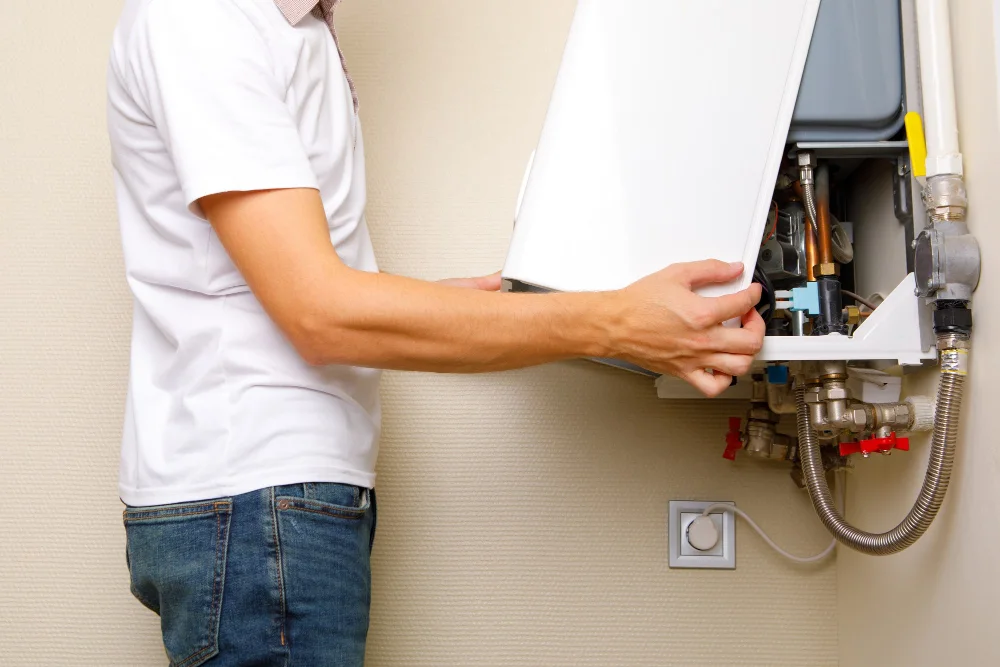
If your boiler is becoming unreliable, JA Plumbing & Heating can assess the appliance and heating system before recommending whether repair or replacement is the more appropriate option.
Which boiler problems can a new installation potentially solve?
A replacement gas boiler can resolve problems that originate within an ageing or faulty appliance. It may also provide more predictable heating and hot water when the new system is correctly sized and installed.
Common problems that may improve include:
- Frequent boiler lockouts
- Repeated ignition problems
- Unreliable hot water
- Persistent short cycling
- Increasingly loud operating noises
- Poor temperature control
- Recurring component faults
- Reduced heating performance
However, a new boiler is not a universal solution.
If the underlying problem is caused by blocked pipework, poorly balanced radiators, unsuitable controls or inadequate water pressure, replacing the boiler alone may not solve it.
This is why an installation assessment should consider the whole heating system rather than focusing only on the appliance.
Can a new gas boiler improve unreliable heating?
It can, particularly where declining boiler performance is responsible for inconsistent heating.
An older boiler may struggle with components that are becoming worn or with controls that no longer operate correctly. If repairs are becoming frequent, replacement may restore more consistent operation.
Modern boilers can also adjust their output according to demand. When correctly sized and properly controlled, this can help the appliance operate more efficiently instead of constantly running at full output.
However, radiator condition and system circulation still matter. A new boiler cannot compensate for every weakness elsewhere in the heating system.
What about short cycling?
Short cycling occurs when a boiler repeatedly turns on and off over short periods.
It can be caused by several factors, including incorrect boiler sizing, poor circulation, thermostat issues, faulty sensors or low system demand.
A new boiler can help when the existing appliance is incorrectly sized or has a fault contributing to the problem. However, the heating system should be assessed first.
Simply installing a larger boiler is not necessarily the answer. In fact, oversizing can contribute to unnecessary cycling.
A properly designed gas boiler installation oxford should therefore take the property’s heating requirements into account rather than relying on a standard boiler size.
Can replacing a boiler stop unusual noises?
Sometimes. Strange noises can originate from internal boiler components, pumps, ignition systems or heat exchangers.
Common sounds include:
| Noise | Possible cause | What should happen? |
| Banging | Restricted circulation or deposits | Engineer assessment |
| Whistling | Water flow or component issue | Investigate source |
| Gurgling | Air or trapped water | Check system |
| Humming | Pump or electrical component | Inspect appliance |
| Clicking | Ignition or control issue | Check controls and ignition |
The sound alone does not prove that replacement is necessary.
A relatively straightforward fault may be repairable. But if an older boiler has become noisy alongside repeated breakdowns, pressure loss and declining heating performance, replacement may be worth discussing.
A professional gas boiler installation company should explain the likely cause of the existing problem and why a replacement has been recommended.
Let’s get started, Which fuel powers your boiler?
It just takes 60 Sec
And then you can book a free consultation
Could a new boiler improve hot water performance?
Yes, if the existing boiler is responsible for unreliable hot water.
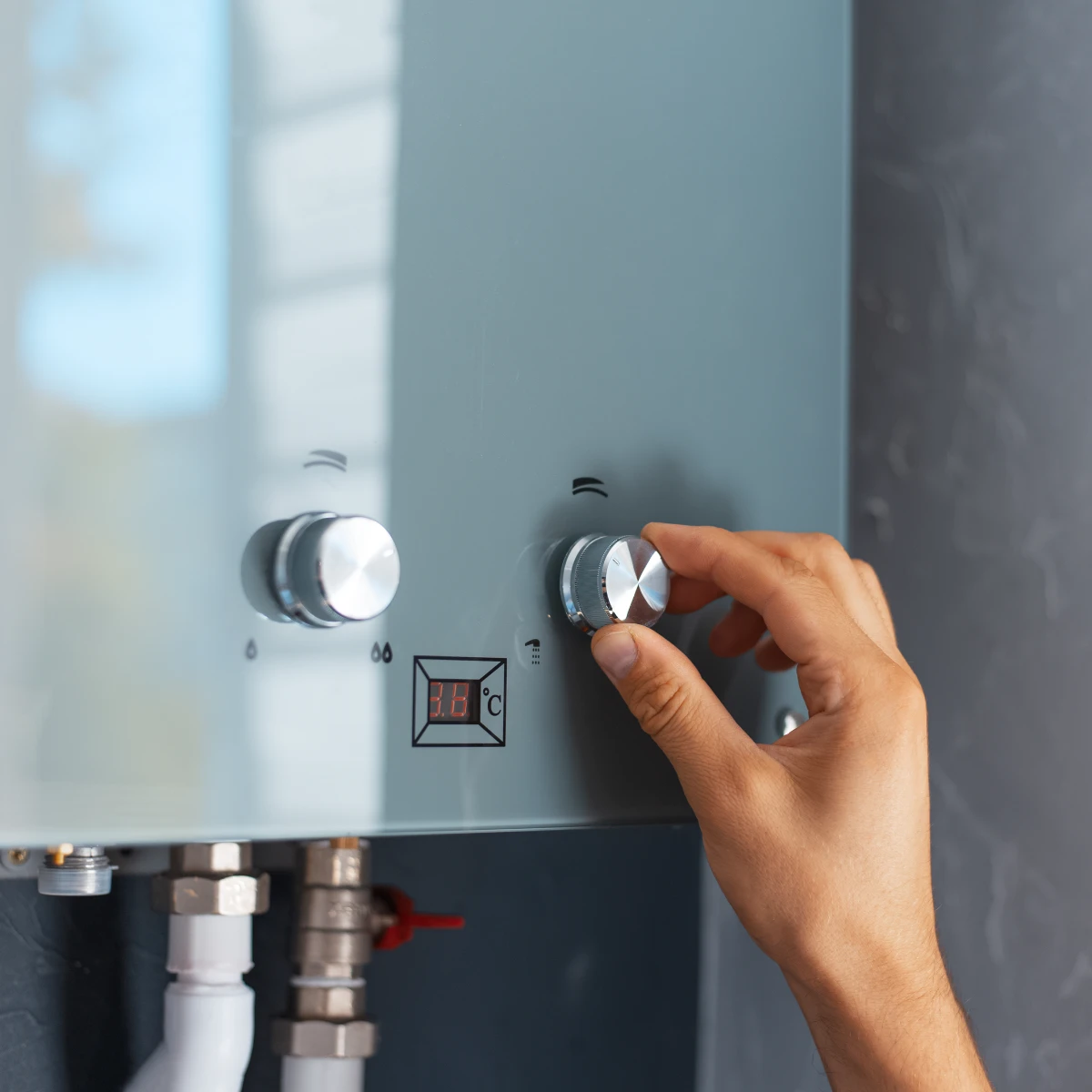
A modern boiler can provide more consistent temperature control when correctly selected and installed. For combi boiler systems, the boiler’s hot water output also needs to match household demand.
However, hot water performance depends on other factors too.
Incoming mains water pressure and flow rate can affect what a combi boiler can deliver. If the property’s supply is limited, installing a higher-output appliance will not necessarily solve every hot water complaint.
This is why hot water usage should form part of the installation assessment.
If inconsistent hot water is one of the reasons you are considering replacement, JA Plumbing & Heating can assess your current setup and explain which options are realistically suitable.
What performance problems cannot be fixed by changing the boiler alone?
A new boiler can be an important part of improving a heating system, but it should not be treated as a standalone solution.
Some problems may come from other parts of the installation, such as:
Poorly balanced radiators: Some rooms may remain colder because water is not distributed effectively.
Restricted pipework: Reduced circulation can affect heating performance and may require separate attention.
Faulty controls: An inaccurate thermostat or poorly configured controls can create comfort problems even when the boiler itself is working correctly.
Low system pressure: Frequent pressure loss requires investigation rather than repeated topping up.
Inadequate radiator capacity: If radiators are too small for the property’s heat requirements, replacing the boiler alone may not create the expected improvement.
This wider assessment is particularly important in older homes where the heating system has evolved over many years.
How should a gas boiler replacement be planned?
Good planning begins with understanding how the property currently uses heating and hot water.
An installer may consider:
- Property size
- Number of rooms
- Number of bathrooms
- Hot water demand
- Existing boiler type
- Boiler location
- Flue arrangement
- Gas supply
- Heating controls
- Radiator and pipework condition
- Available access
The boiler should then be selected according to the property’s requirements.
A gas boiler installation company should also provide clear information about what is included in the proposed work, rather than relying on a simple boiler model and headline price.
What happens during a typical replacement?
The process can vary depending on the property, but a straightforward replacement generally involves several stages.
First, the existing appliance and system are assessed. The installer then confirms the appropriate boiler type, output and location.
Once the work begins, the old boiler is removed and the new appliance is connected to the necessary heating, gas, water and electrical systems. Flue arrangements and controls are also addressed as required.
The completed installation should then be tested and commissioned so that the system operates safely and correctly.
A more complicated property may require additional pipework, controls or system modifications.
A typical Oxford property example
Imagine a homeowner in an older Oxford house with a gas boiler that has gradually become less reliable.
The boiler now makes a noticeable humming sound, occasionally locks out and takes longer to provide hot water. The homeowner has already paid for several repairs over the previous couple of years.
An engineer examines the boiler and wider system. The appliance is ageing and several components are showing signs of wear. The heating system itself is in reasonable condition, and the property would benefit from a correctly sized modern replacement.
In this situation, replacement may offer a more dependable long-term solution than continuing to repair an ageing appliance.
The decision is not based on the noise alone. It comes from considering the boiler’s condition, repair history and overall system performance together.
Is replacement always better than repair?
No.
Repair can remain sensible where the boiler is relatively modern, the fault is straightforward and the appliance is otherwise reliable.
Replacement becomes more worth considering when several factors begin to overlap:
- The appliance is ageing
- Faults are becoming more frequent
- Repairs are increasingly expensive
- Performance is declining
- Parts are becoming harder to source
- Heating or hot water reliability is poor
The best decision depends on the individual circumstances.
If you are weighing up repair against replacement, contact JA Plumbing & Heating for practical advice based on your existing boiler and heating system.
How can homeowners maintain good boiler performance?
Once a new boiler has been installed, sensible maintenance can help keep the system dependable.
Homeowners should arrange servicing at appropriate intervals and pay attention to changes in performance. New noises, pressure loss, repeated lockouts or changes in hot water temperature should be investigated rather than ignored.
It is also useful to understand how the heating controls work. Correctly programmed controls can help maintain comfortable temperatures without unnecessarily demanding heat from the boiler.
Regular attention to the wider system can be just as important as maintaining the boiler itself.
Final Thoughts
A new gas boiler can address many problems caused by an ageing or unreliable appliance, from repeated lockouts to inconsistent hot water and certain types of short cycling. But replacement works best when the whole heating system is considered.
For homeowners exploring gas boiler installation oxford, a proper assessment can establish what is actually causing the performance issues and whether a new boiler is likely to resolve them.
JA Plumbing & Heating can provide clear, practical guidance based on the property, existing system and household requirements. This allows homeowners to make a considered decision without replacing equipment unnecessarily.
Related articles

Let’s get started, Which fuel powers your boiler?
At a glance
These changes can be easy to tolerate at first, particularly if the boiler still turns on. However, recurring performance problems can eventually affect comfort, reliability and the cost of maintaining the heating system.
For homeowners considering gas boiler installation oxford, the important question is not simply whether a new boiler is available. It is whether replacing the existing system can realistically address the problems you are experiencing and whether the proposed installation is suitable for your property.
If your boiler is becoming unreliable, JA Plumbing & Heating can assess the appliance and heating system before recommending whether repair or replacement is the more appropriate option.
Which boiler problems can a new installation potentially solve?
A replacement gas boiler can resolve problems that originate within an ageing or faulty appliance. It may also provide more predictable heating and hot water when the new system is correctly sized and installed.
Common problems that may improve include:
- Frequent boiler lockouts
- Repeated ignition problems
- Unreliable hot water
- Persistent short cycling
- Increasingly loud operating noises
- Poor temperature control
- Recurring component faults
- Reduced heating performance
However, a new boiler is not a universal solution.
If the underlying problem is caused by blocked pipework, poorly balanced radiators, unsuitable controls or inadequate water pressure, replacing the boiler alone may not solve it.
This is why an installation assessment should consider the whole heating system rather than focusing only on the appliance.
Can a new gas boiler improve unreliable heating?
It can, particularly where declining boiler performance is responsible for inconsistent heating.
An older boiler may struggle with components that are becoming worn or with controls that no longer operate correctly. If repairs are becoming frequent, replacement may restore more consistent operation.
Modern boilers can also adjust their output according to demand. When correctly sized and properly controlled, this can help the appliance operate more efficiently instead of constantly running at full output.
However, radiator condition and system circulation still matter. A new boiler cannot compensate for every weakness elsewhere in the heating system.
What about short cycling?
Short cycling occurs when a boiler repeatedly turns on and off over short periods.
It can be caused by several factors, including incorrect boiler sizing, poor circulation, thermostat issues, faulty sensors or low system demand.
A new boiler can help when the existing appliance is incorrectly sized or has a fault contributing to the problem. However, the heating system should be assessed first.
Simply installing a larger boiler is not necessarily the answer. In fact, oversizing can contribute to unnecessary cycling.
A properly designed gas boiler installation oxford should therefore take the property’s heating requirements into account rather than relying on a standard boiler size.
Can replacing a boiler stop unusual noises?
Sometimes. Strange noises can originate from internal boiler components, pumps, ignition systems or heat exchangers.
Common sounds include:
| Noise | Possible cause | What should happen? |
| Banging | Restricted circulation or deposits | Engineer assessment |
| Whistling | Water flow or component issue | Investigate source |
| Gurgling | Air or trapped water | Check system |
| Humming | Pump or electrical component | Inspect appliance |
| Clicking | Ignition or control issue | Check controls and ignition |
The sound alone does not prove that replacement is necessary.
A relatively straightforward fault may be repairable. But if an older boiler has become noisy alongside repeated breakdowns, pressure loss and declining heating performance, replacement may be worth discussing.
A professional gas boiler installation company should explain the likely cause of the existing problem and why a replacement has been recommended.
Let’s get started, Which fuel powers your boiler?
It just takes 60 Sec
And then you can book a free consultation
Could a new boiler improve hot water performance?
Yes, if the existing boiler is responsible for unreliable hot water.
A modern boiler can provide more consistent temperature control when correctly selected and installed. For combi boiler systems, the boiler’s hot water output also needs to match household demand.
However, hot water performance depends on other factors too.
Incoming mains water pressure and flow rate can affect what a combi boiler can deliver. If the property’s supply is limited, installing a higher-output appliance will not necessarily solve every hot water complaint.
This is why hot water usage should form part of the installation assessment.
If inconsistent hot water is one of the reasons you are considering replacement, JA Plumbing & Heating can assess your current setup and explain which options are realistically suitable.
What performance problems cannot be fixed by changing the boiler alone?
A new boiler can be an important part of improving a heating system, but it should not be treated as a standalone solution.
Some problems may come from other parts of the installation, such as:
Poorly balanced radiators: Some rooms may remain colder because water is not distributed effectively.
Restricted pipework: Reduced circulation can affect heating performance and may require separate attention.
Faulty controls: An inaccurate thermostat or poorly configured controls can create comfort problems even when the boiler itself is working correctly.
Low system pressure: Frequent pressure loss requires investigation rather than repeated topping up.
Inadequate radiator capacity: If radiators are too small for the property’s heat requirements, replacing the boiler alone may not create the expected improvement.
This wider assessment is particularly important in older homes where the heating system has evolved over many years.
How should a gas boiler replacement be planned?
Good planning begins with understanding how the property currently uses heating and hot water.
An installer may consider:
- Property size
- Number of rooms
- Number of bathrooms
- Hot water demand
- Existing boiler type
- Boiler location
- Flue arrangement
- Gas supply
- Heating controls
- Radiator and pipework condition
- Available access
The boiler should then be selected according to the property’s requirements.
A gas boiler installation company should also provide clear information about what is included in the proposed work, rather than relying on a simple boiler model and headline price.
What happens during a typical replacement?
The process can vary depending on the property, but a straightforward replacement generally involves several stages.
First, the existing appliance and system are assessed. The installer then confirms the appropriate boiler type, output and location.
Once the work begins, the old boiler is removed and the new appliance is connected to the necessary heating, gas, water and electrical systems. Flue arrangements and controls are also addressed as required.
The completed installation should then be tested and commissioned so that the system operates safely and correctly.
A more complicated property may require additional pipework, controls or system modifications.
A typical Oxford property example
Imagine a homeowner in an older Oxford house with a gas boiler that has gradually become less reliable.
The boiler now makes a noticeable humming sound, occasionally locks out and takes longer to provide hot water. The homeowner has already paid for several repairs over the previous couple of years.
An engineer examines the boiler and wider system. The appliance is ageing and several components are showing signs of wear. The heating system itself is in reasonable condition, and the property would benefit from a correctly sized modern replacement.
In this situation, replacement may offer a more dependable long-term solution than continuing to repair an ageing appliance.
The decision is not based on the noise alone. It comes from considering the boiler’s condition, repair history and overall system performance together.
Is replacement always better than repair?
No.
Repair can remain sensible where the boiler is relatively modern, the fault is straightforward and the appliance is otherwise reliable.
Replacement becomes more worth considering when several factors begin to overlap:
- The appliance is ageing
- Faults are becoming more frequent
- Repairs are increasingly expensive
- Performance is declining
- Parts are becoming harder to source
- Heating or hot water reliability is poor
The best decision depends on the individual circumstances.
If you are weighing up repair against replacement, contact JA Plumbing & Heating for practical advice based on your existing boiler and heating system.
How can homeowners maintain good boiler performance?
Once a new boiler has been installed, sensible maintenance can help keep the system dependable.
Homeowners should arrange servicing at appropriate intervals and pay attention to changes in performance. New noises, pressure loss, repeated lockouts or changes in hot water temperature should be investigated rather than ignored.
It is also useful to understand how the heating controls work. Correctly programmed controls can help maintain comfortable temperatures without unnecessarily demanding heat from the boiler.
Regular attention to the wider system can be just as important as maintaining the boiler itself.
Final Thoughts
A new gas boiler can address many problems caused by an ageing or unreliable appliance, from repeated lockouts to inconsistent hot water and certain types of short cycling. But replacement works best when the whole heating system is considered.
For homeowners exploring gas boiler installation oxford, a proper assessment can establish what is actually causing the performance issues and whether a new boiler is likely to resolve them.
JA Plumbing & Heating can provide clear, practical guidance based on the property, existing system and household requirements. This allows homeowners to make a considered decision without replacing equipment unnecessarily.