
Cost for New Boiler Installation: Pipework, Cylinder Removal and Making Good
Replacing an older heating system can transform the comfort and efficiency of your home, but it’s important to understand that the work often extends far beyond fitting a new boiler. If your property has a traditional hot water cylinder or ageing pipework, additional tasks may be required to complete the installation safely and to a high standard.

Why you can trust our content
We understand that the boiler industry can be confusing, with plenty of outdated or misleading information. That’s why we rely only on trusted, proven sources to guide our advice and installations:

At a glance
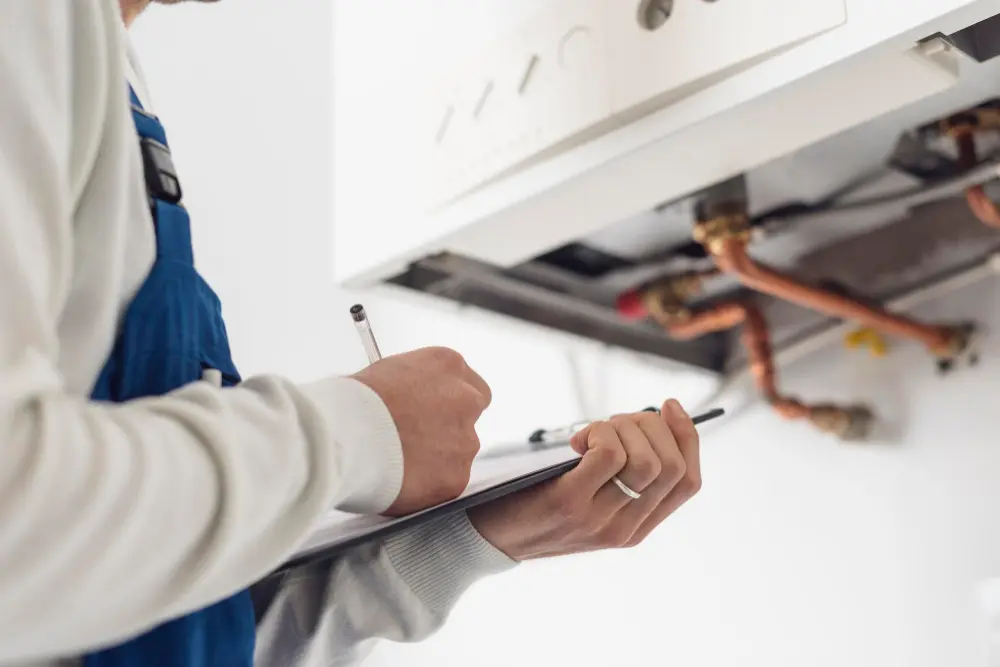
When researching the cost for new boiler installation, many homeowners focus on the boiler itself. In reality, the condition of your existing heating system, the amount of pipework involved and any finishing work after the installation can all influence the overall investment.
Knowing what to expect before work begins helps you compare quotations fairly and plan your heating upgrade with confidence.
If you’re considering replacing your heating system, contact JA Plumbing & Heating for a detailed survey and a personalised quotation based on your property’s requirements.
Why Does Every Installation Cost Differ?
No two homes have identical heating systems.
A property built in the 1930s may have very different plumbing arrangements from one built in the 1990s, even if they are similar in size.
Several factors influence the installation, including:
- Existing boiler type
- Age of the heating system
- Pipework condition
- Boiler location
- Number of radiators
- Water pressure
- Previous alterations
Because of these differences, installers prepare quotations following a detailed assessment rather than offering a fixed price for every home.
What Is Included in a Boiler Conversion?
If you’re changing from a conventional heating system to a combi boiler, the installation usually involves much more than replacing the appliance.
Typical work includes:
- Removing the old boiler
- Disconnecting the hot water cylinder
- Removing cold water storage tanks where required
- Altering existing pipework
- Installing the new boiler
- Replacing or upgrading the flue
- Testing the heating system
- Commissioning the installation
Each stage takes time and contributes to the overall project.
How Does Pipework Affect the Installation?
Pipework is one of the biggest influences on the cost for new boiler installation.
During the survey, engineers will inspect the existing plumbing to determine whether it remains suitable for the new system.
They may check for:
- Corrosion
- Leaks
- Incorrect pipe sizes
- Signs of sludge
- Previous repair work
- Accessibility
Where improvements are required, replacing sections of pipework helps ensure the new boiler operates efficiently and reliably.
Although this can increase the amount of installation work, it often prevents future issues.
Why Does Removing the Cylinder Add to the Cost?
Many older homes have a hot water cylinder stored in an airing cupboard, along with cold water tanks in the loft.
Removing these components involves several stages.
| Installation Task | Why It Is Required |
| Draining the cylinder | Allows safe removal |
| Disconnecting pipework | Prevents leaks |
| Removing tanks | Eliminates unused equipment |
| Altering water supplies | Supports the new system |
| Testing the installation | Confirms safe operation |
Once completed, many homeowners enjoy extra storage space alongside a simpler heating system.
What Does ‘Making Good’ Mean?
One part of an installation that is often overlooked is making good.
This refers to tidying areas affected during the work after old equipment has been removed.
Examples include:
- Capping unused pipework neatly
- Making walls safe after removing brackets
- Tidying exposed pipe routes
- Leaving boiler cupboards clean
- Removing installation waste
Making good helps ensure your home looks neat once the project has been completed.
Although decorative work such as plastering or painting is not always included, your installer should explain exactly what is covered within the quotation.
Can Existing Radiators Stay?
In many cases, yes.
However, they should always be assessed before the installation begins.
Engineers will look at:
- Age
- Heat output
- Valve condition
- Signs of corrosion
- Overall compatibility
Some homes only require the boiler to be replaced, while others benefit from upgrading selected radiators to improve heating performance.
A professional survey identifies the most suitable approach.
If you’d like expert advice on whether your current heating system is suitable for an upgrade, speak with JA Plumbing & Heating before making your decision.
A Typical Oxford Heating Upgrade
Imagine a family living in a 1970s detached property with a conventional boiler, hot water cylinder and ageing heating controls.
Following a survey, the installation plan includes:
- Removing the old cylinder
- Updating several sections of pipework
- Installing a modern condensing boiler
- Fitting new heating controls
- Carrying out system testing
- Completing commissioning
Once finished, the home benefits from a more efficient heating system, improved hot water performance and additional cupboard space.
Although every property differs, this example demonstrates why installations are planned individually rather than using standard pricing.
Let’s get started, Which fuel powers your boiler?
It just takes 60 Sec
And then you can book a free consultation
How Can You Compare Quotations?
When reviewing installation proposals, it helps to compare more than the total figure.
Look for quotations that explain:
- Equipment supplied
- Labour included
- Pipework alterations
- Cylinder removal
- Flue replacement
- System cleaning
- Safety testing
- Warranty information
A detailed quotation provides a clearer understanding of what you’re paying for and reduces the risk of unexpected costs later.
What Questions Should You Ask Before Booking?
Before proceeding, consider asking:
- Is cylinder removal included?
- Will existing pipework be reused?
- Does the quotation include making good?
- Are heating controls being upgraded?
- What warranties are available?
- Is system flushing recommended?
- How long will the installation take?
Having these discussions before work begins ensures you understand the full scope of the project.
If you’re comparing the cost of new gas boiler installation, asking these questions can help you make a more informed decision.
Why Is Planning So Important?
Good planning reduces disruption and helps installations run smoothly.
A professional installer will:
- Survey the property thoroughly
- Explain any recommended improvements
- Identify potential challenges
- Provide a detailed quotation
- Agree a suitable installation schedule
Careful preparation helps avoid unnecessary delays and ensures the new heating system is installed safely.
A Well Planned Installation Delivers Long-Term Value
Replacing an older heating system involves more than installing a new boiler. Pipework alterations, cylinder removal and careful finishing work all contribute to a reliable and efficient result that suits your home’s needs.
Understanding what influences the cost for new boiler installation helps you compare quotations confidently and choose an installation that provides lasting value rather than simply the lowest initial price.
At JA Plumbing & Heating, we provide clear advice, detailed surveys and transparent quotations so you know exactly what your installation includes. Contact our experienced team today to arrange a home assessment and receive a bespoke quotation.
Related articles
Let’s get started, Which fuel powers your boiler?
At a glance
When researching the cost for new boiler installation, many homeowners focus on the boiler itself. In reality, the condition of your existing heating system, the amount of pipework involved and any finishing work after the installation can all influence the overall investment.
Knowing what to expect before work begins helps you compare quotations fairly and plan your heating upgrade with confidence.
If you’re considering replacing your heating system, contact JA Plumbing & Heating for a detailed survey and a personalised quotation based on your property’s requirements.
Why Does Every Installation Cost Differ?
No two homes have identical heating systems.
A property built in the 1930s may have very different plumbing arrangements from one built in the 1990s, even if they are similar in size.
Several factors influence the installation, including:
- Existing boiler type
- Age of the heating system
- Pipework condition
- Boiler location
- Number of radiators
- Water pressure
- Previous alterations
Because of these differences, installers prepare quotations following a detailed assessment rather than offering a fixed price for every home.
What Is Included in a Boiler Conversion?
If you’re changing from a conventional heating system to a combi boiler, the installation usually involves much more than replacing the appliance.
Typical work includes:
- Removing the old boiler
- Disconnecting the hot water cylinder
- Removing cold water storage tanks where required
- Altering existing pipework
- Installing the new boiler
- Replacing or upgrading the flue
- Testing the heating system
- Commissioning the installation
Each stage takes time and contributes to the overall project.
How Does Pipework Affect the Installation?
Pipework is one of the biggest influences on the cost for new boiler installation.
During the survey, engineers will inspect the existing plumbing to determine whether it remains suitable for the new system.
They may check for:
- Corrosion
- Leaks
- Incorrect pipe sizes
- Signs of sludge
- Previous repair work
- Accessibility
Where improvements are required, replacing sections of pipework helps ensure the new boiler operates efficiently and reliably.
Although this can increase the amount of installation work, it often prevents future issues.
Why Does Removing the Cylinder Add to the Cost?
Many older homes have a hot water cylinder stored in an airing cupboard, along with cold water tanks in the loft.
Removing these components involves several stages.
| Installation Task | Why It Is Required |
| Draining the cylinder | Allows safe removal |
| Disconnecting pipework | Prevents leaks |
| Removing tanks | Eliminates unused equipment |
| Altering water supplies | Supports the new system |
| Testing the installation | Confirms safe operation |
Once completed, many homeowners enjoy extra storage space alongside a simpler heating system.
What Does ‘Making Good’ Mean?
One part of an installation that is often overlooked is making good.
This refers to tidying areas affected during the work after old equipment has been removed.
Examples include:
- Capping unused pipework neatly
- Making walls safe after removing brackets
- Tidying exposed pipe routes
- Leaving boiler cupboards clean
- Removing installation waste
Making good helps ensure your home looks neat once the project has been completed.
Although decorative work such as plastering or painting is not always included, your installer should explain exactly what is covered within the quotation.
Can Existing Radiators Stay?
In many cases, yes.
However, they should always be assessed before the installation begins.
Engineers will look at:
- Age
- Heat output
- Valve condition
- Signs of corrosion
- Overall compatibility
Some homes only require the boiler to be replaced, while others benefit from upgrading selected radiators to improve heating performance.
A professional survey identifies the most suitable approach.
If you’d like expert advice on whether your current heating system is suitable for an upgrade, speak with JA Plumbing & Heating before making your decision.
A Typical Oxford Heating Upgrade
Imagine a family living in a 1970s detached property with a conventional boiler, hot water cylinder and ageing heating controls.
Following a survey, the installation plan includes:
- Removing the old cylinder
- Updating several sections of pipework
- Installing a modern condensing boiler
- Fitting new heating controls
- Carrying out system testing
- Completing commissioning
Once finished, the home benefits from a more efficient heating system, improved hot water performance and additional cupboard space.
Although every property differs, this example demonstrates why installations are planned individually rather than using standard pricing.
Let’s get started, Which fuel powers your boiler?
It just takes 60 Sec
And then you can book a free consultation
How Can You Compare Quotations?
When reviewing installation proposals, it helps to compare more than the total figure.
Look for quotations that explain:
- Equipment supplied
- Labour included
- Pipework alterations
- Cylinder removal
- Flue replacement
- System cleaning
- Safety testing
- Warranty information
A detailed quotation provides a clearer understanding of what you’re paying for and reduces the risk of unexpected costs later.
What Questions Should You Ask Before Booking?
Before proceeding, consider asking:
- Is cylinder removal included?
- Will existing pipework be reused?
- Does the quotation include making good?
- Are heating controls being upgraded?
- What warranties are available?
- Is system flushing recommended?
- How long will the installation take?
Having these discussions before work begins ensures you understand the full scope of the project.
If you’re comparing the cost of new gas boiler installation, asking these questions can help you make a more informed decision.
Why Is Planning So Important?
Good planning reduces disruption and helps installations run smoothly.
A professional installer will:
- Survey the property thoroughly
- Explain any recommended improvements
- Identify potential challenges
- Provide a detailed quotation
- Agree a suitable installation schedule
Careful preparation helps avoid unnecessary delays and ensures the new heating system is installed safely.
A Well Planned Installation Delivers Long-Term Value
Replacing an older heating system involves more than installing a new boiler. Pipework alterations, cylinder removal and careful finishing work all contribute to a reliable and efficient result that suits your home’s needs.
Understanding what influences the cost for new boiler installation helps you compare quotations confidently and choose an installation that provides lasting value rather than simply the lowest initial price.
At JA Plumbing & Heating, we provide clear advice, detailed surveys and transparent quotations so you know exactly what your installation includes. Contact our experienced team today to arrange a home assessment and receive a bespoke quotation.