
Boiler Prices and Installation: Why Conversion Work Can Change the Final Price
If you’ve started researching a new heating system, you’ve probably noticed that prices can vary considerably. While it may seem like replacing a boiler should have a straightforward cost, conversion projects are often more complex than they first appear.

Why you can trust our content
We understand that the boiler industry can be confusing, with plenty of outdated or misleading information. That’s why we rely only on trusted, proven sources to guide our advice and installations:

At a glance
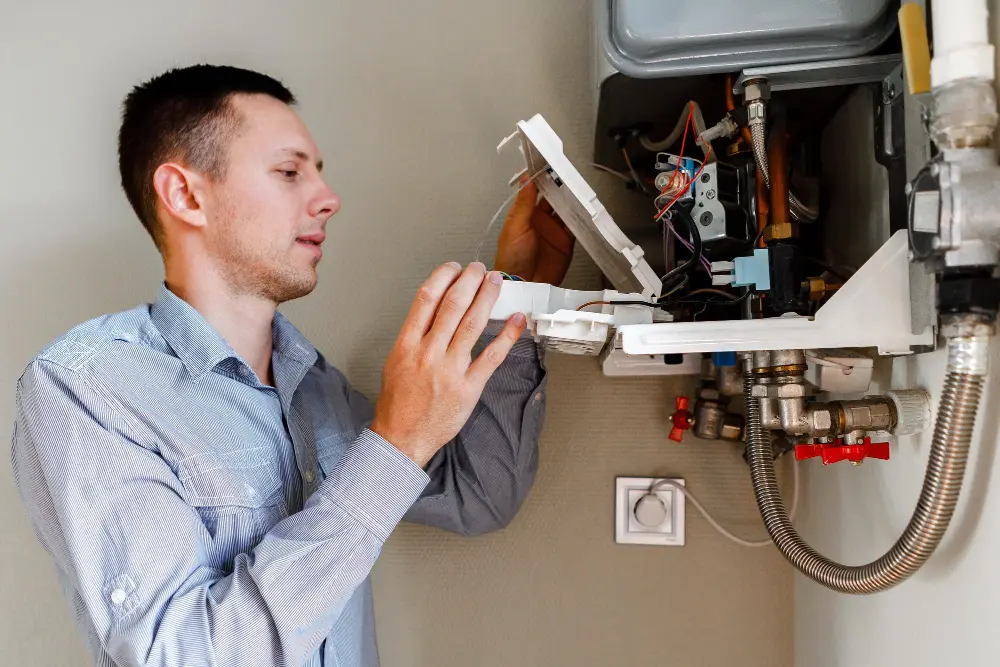
Many older homes still have conventional heating systems with hot water cylinders, loft tanks or even back boilers. Upgrading these systems involves much more than installing a new appliance, which is why boiler prices and installation can differ from one property to another.
Understanding what contributes to the final cost will help you compare quotations more confidently and make an informed decision based on value rather than simply choosing the lowest price.
If you’re planning a heating upgrade, the team at JA Plumbing & Heating can assess your existing system and provide a clear quotation based on your home’s individual requirements.
Why Isn’t Every Boiler Installation the Same?
Although the end result may be similar, the work involved behind the scenes can vary significantly.
Some homes only require a straightforward replacement, while others need:
- Removal of a hot water cylinder
- Alterations to existing pipework
- Upgrades to heating controls
- Flue replacement
- Gas supply improvements
- Additional safety work
The more extensive the conversion, the greater the amount of labour and planning required.
That is why installation costs should always reflect the condition and layout of the individual property.
What Factors Influence the Final Price?
Several elements affect the overall cost of a heating upgrade.
Existing Heating System
Older systems often require more work than modern ones.
Boiler Type
The type and output of the replacement boiler will influence both equipment and installation costs.
Property Layout
Larger homes generally involve longer pipe runs and more radiators.
Accessibility
Boilers located in lofts, cupboards or difficult-to-reach areas may require additional installation time.
Additional Improvements
Many homeowners choose to replace heating controls or upgrade system components during the same project.
All of these factors contribute to the final quotation.
How Does Conversion Work Affect the Cost?
Converting from a traditional system to a modern boiler often involves removing equipment that is no longer required.
This may include:
- Hot water cylinders
- Cold water storage tanks
- Feed and expansion tanks
- Obsolete controls
- Redundant pipework
Removing these components safely requires time and expertise.
For this reason, the cost for boiler installation during a conversion is usually higher than a simple like-for-like replacement.
However, many homeowners feel the improved efficiency and additional space make the investment worthwhile.
Why Does Pipework Matter So Much?
One area that often affects boiler prices and installation is the existing pipework.
During the survey, engineers assess whether the system is suitable for the new boiler.
They may identify:
| Pipework Check | Why It Matters |
| Corrosion | Can reduce reliability |
| Pipe size | Must suit the new boiler |
| Previous repairs | May need improvement |
| Sludge build-up | Can reduce efficiency |
| Accessibility | Influences installation time |
Keeping suitable pipework can reduce costs, while replacing ageing sections often improves long-term performance.
Let’s get started, Which fuel powers your boiler?
It just takes 60 Sec
And then you can book a free consultation
Are Heating Controls Included?
Modern heating controls have developed significantly over the past decade.
Depending on your current system, your quotation may include:
- Programmable room thermostats
- Digital timers
- Smart heating controls
- Zoned heating controls
- Thermostatic radiator valves
These improvements make it easier to control heating efficiently while improving comfort throughout the home.
Although they add to the initial project cost, they can provide greater convenience and support more economical energy use.
Could Hidden Problems Increase the Cost?
Occasionally, issues only become apparent during a detailed survey or after the old system has been removed.
Examples include:
- Damaged pipework
- Corroded valves
- Inadequate gas supply
- Worn radiator connections
- Historic plumbing alterations
A thorough inspection before installation helps reduce the likelihood of unexpected findings and allows most work to be planned in advance.
If you’d like a detailed assessment of your heating system before making a decision, contact JA Plumbing & Heating for expert advice and a personalised quotation.
A Typical Oxford Heating Upgrade
Imagine a family living in a detached property with an ageing conventional boiler, loft tanks and a hot water cylinder.
Although the boiler still works, heating performance has become inconsistent and maintenance costs continue to rise.
Following a home survey, the installation plan includes:
- Removing redundant tanks
- Removing the cylinder
- Updating sections of pipework
- Installing a modern condensing boiler
- Upgrading heating controls
- Testing and commissioning the completed system
Because the scope of work extends beyond replacing the boiler itself, the project requires more labour than a standard installation.
This example demonstrates why quotations are prepared individually rather than using fixed prices.
How Can You Compare Quotations Properly?
When comparing installation proposals, don’t focus solely on the total figure.
Instead, consider whether the quotation explains:
- Equipment supplied
- Labour included
- Pipework alterations
- Removal of existing equipment
- Safety testing
- Heating controls
- Warranty details
- Commissioning
Understanding these points allows you to compare value rather than simply comparing prices.
The cheapest quotation isn’t always the one that provides the most comprehensive service.
What Questions Should You Ask Before Proceeding?
Before accepting a quotation, it’s worth discussing:
- Is system flushing included?
- Will old equipment be removed?
- Does the quotation include new controls?
- Are any pipework improvements recommended?
- Will the installation meet current regulations?
- What warranty is provided?
- Could additional work become necessary?
Asking these questions helps ensure you understand the full scope of the project before installation begins.
If you’re researching the cost for boiler installation, remember that a detailed quotation often provides a much clearer picture than a headline price alone.
Is Paying More Always Better?
Not necessarily.
A higher quotation does not automatically represent better value, just as the lowest quotation does not always provide the most comprehensive service.
Instead, look for:
- A detailed survey
- Transparent pricing
- Clear explanations
- Quality equipment
- Professional installation
- Good aftercare
- Strong warranty support
A carefully planned installation often delivers greater reliability and lower maintenance costs over the lifespan of the boiler.
Understanding the Bigger Picture
Replacing an older heating system involves much more than fitting a new boiler. The condition of your existing installation, the amount of conversion work required and the improvements included all contribute to the overall project.
By understanding what influences boiler prices and installation, you can compare quotations with greater confidence and choose a solution that delivers reliable performance for years to come.
At JA Plumbing & Heating, we provide honest advice, detailed surveys and transparent quotations so you know exactly what your heating upgrade involves. Contact our team today to discuss your options and request a bespoke quotation.
Related articles
Let’s get started, Which fuel powers your boiler?
At a glance
Many older homes still have conventional heating systems with hot water cylinders, loft tanks or even back boilers. Upgrading these systems involves much more than installing a new appliance, which is why boiler prices and installation can differ from one property to another.
Understanding what contributes to the final cost will help you compare quotations more confidently and make an informed decision based on value rather than simply choosing the lowest price.
If you’re planning a heating upgrade, the team at JA Plumbing & Heating can assess your existing system and provide a clear quotation based on your home’s individual requirements.
Why Isn’t Every Boiler Installation the Same?
Although the end result may be similar, the work involved behind the scenes can vary significantly.
Some homes only require a straightforward replacement, while others need:
- Removal of a hot water cylinder
- Alterations to existing pipework
- Upgrades to heating controls
- Flue replacement
- Gas supply improvements
- Additional safety work
The more extensive the conversion, the greater the amount of labour and planning required.
That is why installation costs should always reflect the condition and layout of the individual property.
What Factors Influence the Final Price?
Several elements affect the overall cost of a heating upgrade.
Existing Heating System
Older systems often require more work than modern ones.
Boiler Type
The type and output of the replacement boiler will influence both equipment and installation costs.
Property Layout
Larger homes generally involve longer pipe runs and more radiators.
Accessibility
Boilers located in lofts, cupboards or difficult-to-reach areas may require additional installation time.
Additional Improvements
Many homeowners choose to replace heating controls or upgrade system components during the same project.
All of these factors contribute to the final quotation.
How Does Conversion Work Affect the Cost?
Converting from a traditional system to a modern boiler often involves removing equipment that is no longer required.
This may include:
- Hot water cylinders
- Cold water storage tanks
- Feed and expansion tanks
- Obsolete controls
- Redundant pipework
Removing these components safely requires time and expertise.
For this reason, the cost for boiler installation during a conversion is usually higher than a simple like-for-like replacement.
However, many homeowners feel the improved efficiency and additional space make the investment worthwhile.
Why Does Pipework Matter So Much?
One area that often affects boiler prices and installation is the existing pipework.
During the survey, engineers assess whether the system is suitable for the new boiler.
They may identify:
| Pipework Check | Why It Matters |
| Corrosion | Can reduce reliability |
| Pipe size | Must suit the new boiler |
| Previous repairs | May need improvement |
| Sludge build-up | Can reduce efficiency |
| Accessibility | Influences installation time |
Keeping suitable pipework can reduce costs, while replacing ageing sections often improves long-term performance.
Let’s get started, Which fuel powers your boiler?
It just takes 60 Sec
And then you can book a free consultation
Are Heating Controls Included?
Modern heating controls have developed significantly over the past decade.
Depending on your current system, your quotation may include:
- Programmable room thermostats
- Digital timers
- Smart heating controls
- Zoned heating controls
- Thermostatic radiator valves
These improvements make it easier to control heating efficiently while improving comfort throughout the home.
Although they add to the initial project cost, they can provide greater convenience and support more economical energy use.
Could Hidden Problems Increase the Cost?
Occasionally, issues only become apparent during a detailed survey or after the old system has been removed.
Examples include:
- Damaged pipework
- Corroded valves
- Inadequate gas supply
- Worn radiator connections
- Historic plumbing alterations
A thorough inspection before installation helps reduce the likelihood of unexpected findings and allows most work to be planned in advance.
If you’d like a detailed assessment of your heating system before making a decision, contact JA Plumbing & Heating for expert advice and a personalised quotation.
A Typical Oxford Heating Upgrade
Imagine a family living in a detached property with an ageing conventional boiler, loft tanks and a hot water cylinder.
Although the boiler still works, heating performance has become inconsistent and maintenance costs continue to rise.
Following a home survey, the installation plan includes:
- Removing redundant tanks
- Removing the cylinder
- Updating sections of pipework
- Installing a modern condensing boiler
- Upgrading heating controls
- Testing and commissioning the completed system
Because the scope of work extends beyond replacing the boiler itself, the project requires more labour than a standard installation.
This example demonstrates why quotations are prepared individually rather than using fixed prices.
How Can You Compare Quotations Properly?
When comparing installation proposals, don’t focus solely on the total figure.
Instead, consider whether the quotation explains:
- Equipment supplied
- Labour included
- Pipework alterations
- Removal of existing equipment
- Safety testing
- Heating controls
- Warranty details
- Commissioning
Understanding these points allows you to compare value rather than simply comparing prices.
The cheapest quotation isn’t always the one that provides the most comprehensive service.
What Questions Should You Ask Before Proceeding?
Before accepting a quotation, it’s worth discussing:
- Is system flushing included?
- Will old equipment be removed?
- Does the quotation include new controls?
- Are any pipework improvements recommended?
- Will the installation meet current regulations?
- What warranty is provided?
- Could additional work become necessary?
Asking these questions helps ensure you understand the full scope of the project before installation begins.
If you’re researching the cost for boiler installation, remember that a detailed quotation often provides a much clearer picture than a headline price alone.
Is Paying More Always Better?
Not necessarily.
A higher quotation does not automatically represent better value, just as the lowest quotation does not always provide the most comprehensive service.
Instead, look for:
- A detailed survey
- Transparent pricing
- Clear explanations
- Quality equipment
- Professional installation
- Good aftercare
- Strong warranty support
A carefully planned installation often delivers greater reliability and lower maintenance costs over the lifespan of the boiler.
Understanding the Bigger Picture
Replacing an older heating system involves much more than fitting a new boiler. The condition of your existing installation, the amount of conversion work required and the improvements included all contribute to the overall project.
By understanding what influences boiler prices and installation, you can compare quotations with greater confidence and choose a solution that delivers reliable performance for years to come.
At JA Plumbing & Heating, we provide honest advice, detailed surveys and transparent quotations so you know exactly what your heating upgrade involves. Contact our team today to discuss your options and request a bespoke quotation.