
Combi Boiler Replacement Oxford: What Should You Plan Before the Existing Boiler Is Removed?
Understand what to check before removing your existing combi boiler to ensure a smoother, well-planned replacement in Oxford.

Why you can trust our content
We understand that the boiler industry can be confusing, with plenty of outdated or misleading information. That’s why we rely only on trusted, proven sources to guide our advice and installations:

At a glance
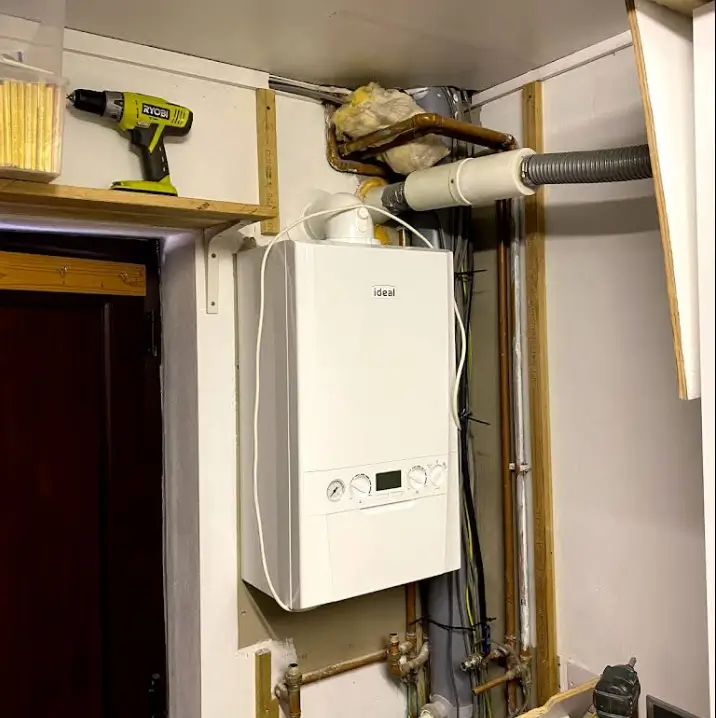
Replacing a combi boiler is more than taking the old appliance off the wall and putting a new one in its place. The preparation before removal can have a significant effect on how smoothly the installation goes, particularly if the existing boiler is in a tight cupboard, has older pipework or needs changes to its flue, condensate or controls.
Good planning also helps you understand what will happen on installation day. Before arranging a combi boiler replacement oxford homeowners should know what needs to be removed, what may need adapting and how long the property could be without heating or hot water.
Why is planning important before the old boiler is removed?
Once an existing boiler has been disconnected and removed, the installer needs a clear plan for fitting the replacement. Most of the important decisions should therefore be made before the work starts.
A proper pre-installation assessment can identify:
- Where the replacement boiler will be installed
- Whether the existing flue arrangement is suitable
- The condition and layout of accessible pipework
- How the condensate connection will be arranged
- Whether controls need replacing or repositioning
- How the boiler will be accessed and removed
- Whether cupboards, panels or other obstructions need temporary removal
- How the old appliance will be disposed of
- How long the property is likely to be without heating and hot water
This preparation reduces the chance of discovering avoidable complications after the old boiler has already been taken out.
If you are planning a boiler replacement, arrange a proper assessment before removal so the installation requirements can be established in advance.
What should be checked before the existing combi boiler comes out?
The existing installation can provide useful information, but it should not automatically determine how the new boiler will be installed.
An installer should look at the boiler position, surrounding space and accessible connections. The flue route is particularly important because the replacement appliance must have an appropriate flue arrangement for its installation.
Other checks may include:
Boiler position
The current location may be convenient, but that does not necessarily mean every replacement appliance can be fitted in exactly the same way.
Consider:
- Available wall space
- Clearance around the appliance
- Cupboard dimensions
- Access for servicing
- Access for future maintenance
- Position of the controls
If the boiler is concealed inside a cupboard, the installer may also need to consider whether the enclosure provides enough practical access.
Pipework and connections
Existing pipework may be reused where appropriate, but the installer needs to assess its condition, size, routing and compatibility with the proposed installation.
Older systems can sometimes contain arrangements that need alteration when a new appliance is fitted. Planning these changes before removal makes it easier to understand the work involved.
Flue and condensate
The flue should be assessed as part of the installation rather than treated as an afterthought. The condensate route also needs consideration, including where the pipe will discharge and whether the existing arrangement is suitable.
These details can affect the work involved and should be reflected in the quotation where they are known.
How should you prepare the property for boiler removal?
The physical removal of an old boiler can be straightforward, but access is often overlooked when homeowners are planning the work.
Before installation day, consider clearing the route between the boiler and the entrance. Remove stored items from cupboards and make sure the installer can reach the appliance without unnecessary obstacles.
If the boiler is in a kitchen cupboard, utility room or other enclosed area, discuss the following beforehand:
- Whether cupboard contents need removing
- Whether doors or shelving need temporary removal
- Where tools and materials can be placed
- How the old appliance will be carried out
- How flooring and nearby surfaces will be protected
- Where the new boiler and associated materials will be stored
Good preparation does not necessarily make the installation faster, but it can prevent avoidable delays.
Let’s get started, Which fuel powers your boiler?
It just takes 60 Sec
And then you can book a free consultation
What happens to the old boiler during replacement?
The removal process normally involves isolating the appliance and disconnecting it safely before it is taken out. The exact process depends on the existing system and installation.
Homeowners should establish beforehand whether removal and disposal of the old boiler are included in the agreed price.
This is particularly useful when comparing quotations because two apparently similar prices may cover different scopes of work.
A written quotation should make clear whether it includes:
| Item | What to check |
| Old boiler removal | Is taking out the existing appliance included? |
| Disposal | Who is responsible for disposing of the old boiler? |
| Flue work | Is replacement or alteration included if required? |
| Pipework | Are standard alterations included? |
| Controls | Are new or replacement controls included? |
| Condensate | Is the planned connection covered? |
| Labour | Does the quoted price cover the full installation? |
| Finishing work | Are reasonable making-good requirements explained? |
Understanding these details before work begins can make the boiler replacement cost much easier to assess.
Before approving the work, ask for the planned removal and installation scope in writing. It gives you a clearer basis for comparing quotations and preparing your home.
How long could you be without heating and hot water?
A combi boiler replacement normally means that heating and hot water will be unavailable for part of the installation because the existing appliance needs to be isolated and disconnected.
The actual duration depends on the property, boiler location, pipework and whether additional work is required.
It is sensible to plan around this temporary interruption rather than assuming the old boiler can remain operational until the new one is completely installed.
If possible:
- Arrange the installation at a convenient time
- Make sure someone can provide access throughout the agreed period
- Clear the work area beforehand
- Keep children and pets away from the working area
- Avoid scheduling other trades in the same space at the same time
- Ask the installer what to expect regarding completion and recommissioning
The installer should also explain what will happen when the new appliance is commissioned and tested.
What unexpected issues could affect the replacement?
Even a well-planned installation can reveal something that was not visible during the initial assessment.
For example, removing the existing appliance can expose damaged connections, unsuitable sections of pipework or issues behind the boiler that were difficult to inspect beforehand.
This is one reason not to rely solely on an advertised starting price when estimating the boiler replacement cost.
Potential variables include:
- Additional pipework alterations
- Flue changes
- Condensate routing
- Control upgrades
- Access complications
- Removal of old brackets or fittings
- Necessary remedial work around the installation area
A good installer should explain any significant additional requirement before carrying out chargeable work where practicable.
What should you confirm before booking the replacement?
Before committing to a combi boiler replacement in Oxford, it is worth going through a simple checklist.
Installation checklist
Boiler
- Confirm the proposed boiler model and output.
- Check that the appliance is appropriate for the property’s heating and hot water requirements.
Location
- Confirm exactly where the new boiler will be installed.
- Check that future servicing access has been considered.
Flue
- Establish the planned flue route and whether any alterations are required.
Pipework
- Ask whether existing connections will be reused or modified.
Controls
- Confirm which controls are included and where they will be positioned.
Removal
- Check that old boiler removal and disposal are included.
Price
- Make sure the quotation explains what is included and identifies possible exclusions.
Timing
- Confirm the expected installation date and likely period without heating and hot water.
Could preparation help you avoid surprises on installation day?
In many cases, yes. The purpose of preparation is not to predict every possible issue but to identify the foreseeable work before the existing appliance is disconnected.
A detailed survey, clear quotation and practical access plan give both homeowner and installer a shared understanding of the job.
It is also worth keeping the quotation and any agreed specifications available on installation day. If something changes after removal, you then have a clear record of the original scope.
For homeowners arranging work, this approach is generally more useful than focusing on the boiler price alone. The installation itself is a complete project involving the appliance, flue, connections, controls, removal and commissioning.
Ready to Plan Your Combi Boiler Replacement in Oxford?
Planning before removing an old combi boiler can make the replacement process considerably clearer. Checking access, pipework, flue arrangements, controls, condensate connections and removal requirements in advance helps reduce avoidable uncertainty.
It also gives you a better understanding of what is included in your quotation and why the final cost may differ between properties. With a properly assessed installation and a clear written scope, homeowners in Oxford can approach their boiler replacement with realistic expectations and fewer surprises.
If your existing boiler is approaching the end of its useful life, JA Plumbing And Heating Solutions Ltd can assess the installation requirements and help you plan the replacement before the old appliance is removed.
Related articles



Let’s get started, Which fuel powers your boiler?
At a glance
Replacing a combi boiler is more than taking the old appliance off the wall and putting a new one in its place. The preparation before removal can have a significant effect on how smoothly the installation goes, particularly if the existing boiler is in a tight cupboard, has older pipework or needs changes to its flue, condensate or controls.
Good planning also helps you understand what will happen on installation day. Before arranging a combi boiler replacement oxford homeowners should know what needs to be removed, what may need adapting and how long the property could be without heating or hot water.
Why is planning important before the old boiler is removed?
Once an existing boiler has been disconnected and removed, the installer needs a clear plan for fitting the replacement. Most of the important decisions should therefore be made before the work starts.
A proper pre-installation assessment can identify:
- Where the replacement boiler will be installed
- Whether the existing flue arrangement is suitable
- The condition and layout of accessible pipework
- How the condensate connection will be arranged
- Whether controls need replacing or repositioning
- How the boiler will be accessed and removed
- Whether cupboards, panels or other obstructions need temporary removal
- How the old appliance will be disposed of
- How long the property is likely to be without heating and hot water
This preparation reduces the chance of discovering avoidable complications after the old boiler has already been taken out.
If you are planning a boiler replacement, arrange a proper assessment before removal so the installation requirements can be established in advance.
What should be checked before the existing combi boiler comes out?
The existing installation can provide useful information, but it should not automatically determine how the new boiler will be installed.
An installer should look at the boiler position, surrounding space and accessible connections. The flue route is particularly important because the replacement appliance must have an appropriate flue arrangement for its installation.
Other checks may include:
Boiler position
The current location may be convenient, but that does not necessarily mean every replacement appliance can be fitted in exactly the same way.
Consider:
- Available wall space
- Clearance around the appliance
- Cupboard dimensions
- Access for servicing
- Access for future maintenance
- Position of the controls
If the boiler is concealed inside a cupboard, the installer may also need to consider whether the enclosure provides enough practical access.
Pipework and connections
Existing pipework may be reused where appropriate, but the installer needs to assess its condition, size, routing and compatibility with the proposed installation.
Older systems can sometimes contain arrangements that need alteration when a new appliance is fitted. Planning these changes before removal makes it easier to understand the work involved.
Flue and condensate
The flue should be assessed as part of the installation rather than treated as an afterthought. The condensate route also needs consideration, including where the pipe will discharge and whether the existing arrangement is suitable.
These details can affect the work involved and should be reflected in the quotation where they are known.
How should you prepare the property for boiler removal?
The physical removal of an old boiler can be straightforward, but access is often overlooked when homeowners are planning the work.
Before installation day, consider clearing the route between the boiler and the entrance. Remove stored items from cupboards and make sure the installer can reach the appliance without unnecessary obstacles.
If the boiler is in a kitchen cupboard, utility room or other enclosed area, discuss the following beforehand:
- Whether cupboard contents need removing
- Whether doors or shelving need temporary removal
- Where tools and materials can be placed
- How the old appliance will be carried out
- How flooring and nearby surfaces will be protected
- Where the new boiler and associated materials will be stored
Good preparation does not necessarily make the installation faster, but it can prevent avoidable delays.
Let’s get started, Which fuel powers your boiler?
It just takes 60 Sec
And then you can book a free consultation
What happens to the old boiler during replacement?
The removal process normally involves isolating the appliance and disconnecting it safely before it is taken out. The exact process depends on the existing system and installation.
Homeowners should establish beforehand whether removal and disposal of the old boiler are included in the agreed price.
This is particularly useful when comparing quotations because two apparently similar prices may cover different scopes of work.
A written quotation should make clear whether it includes:
| Item | What to check |
| Old boiler removal | Is taking out the existing appliance included? |
| Disposal | Who is responsible for disposing of the old boiler? |
| Flue work | Is replacement or alteration included if required? |
| Pipework | Are standard alterations included? |
| Controls | Are new or replacement controls included? |
| Condensate | Is the planned connection covered? |
| Labour | Does the quoted price cover the full installation? |
| Finishing work | Are reasonable making-good requirements explained? |
Understanding these details before work begins can make the boiler replacement cost much easier to assess.
Before approving the work, ask for the planned removal and installation scope in writing. It gives you a clearer basis for comparing quotations and preparing your home.
How long could you be without heating and hot water?
A combi boiler replacement normally means that heating and hot water will be unavailable for part of the installation because the existing appliance needs to be isolated and disconnected.
The actual duration depends on the property, boiler location, pipework and whether additional work is required.
It is sensible to plan around this temporary interruption rather than assuming the old boiler can remain operational until the new one is completely installed.
If possible:
- Arrange the installation at a convenient time
- Make sure someone can provide access throughout the agreed period
- Clear the work area beforehand
- Keep children and pets away from the working area
- Avoid scheduling other trades in the same space at the same time
- Ask the installer what to expect regarding completion and recommissioning
The installer should also explain what will happen when the new appliance is commissioned and tested.
What unexpected issues could affect the replacement?
Even a well-planned installation can reveal something that was not visible during the initial assessment.
For example, removing the existing appliance can expose damaged connections, unsuitable sections of pipework or issues behind the boiler that were difficult to inspect beforehand.
This is one reason not to rely solely on an advertised starting price when estimating the boiler replacement cost.
Potential variables include:
- Additional pipework alterations
- Flue changes
- Condensate routing
- Control upgrades
- Access complications
- Removal of old brackets or fittings
- Necessary remedial work around the installation area
A good installer should explain any significant additional requirement before carrying out chargeable work where practicable.
What should you confirm before booking the replacement?
Before committing to a combi boiler replacement in Oxford, it is worth going through a simple checklist.
Installation checklist
Boiler
- Confirm the proposed boiler model and output.
- Check that the appliance is appropriate for the property’s heating and hot water requirements.
Location
- Confirm exactly where the new boiler will be installed.
- Check that future servicing access has been considered.
Flue
- Establish the planned flue route and whether any alterations are required.
Pipework
- Ask whether existing connections will be reused or modified.
Controls
- Confirm which controls are included and where they will be positioned.
Removal
- Check that old boiler removal and disposal are included.
Price
- Make sure the quotation explains what is included and identifies possible exclusions.
Timing
- Confirm the expected installation date and likely period without heating and hot water.
Could preparation help you avoid surprises on installation day?
In many cases, yes. The purpose of preparation is not to predict every possible issue but to identify the foreseeable work before the existing appliance is disconnected.
A detailed survey, clear quotation and practical access plan give both homeowner and installer a shared understanding of the job.
It is also worth keeping the quotation and any agreed specifications available on installation day. If something changes after removal, you then have a clear record of the original scope.
For homeowners arranging work, this approach is generally more useful than focusing on the boiler price alone. The installation itself is a complete project involving the appliance, flue, connections, controls, removal and commissioning.
Ready to Plan Your Combi Boiler Replacement in Oxford?
Planning before removing an old combi boiler can make the replacement process considerably clearer. Checking access, pipework, flue arrangements, controls, condensate connections and removal requirements in advance helps reduce avoidable uncertainty.
It also gives you a better understanding of what is included in your quotation and why the final cost may differ between properties. With a properly assessed installation and a clear written scope, homeowners in Oxford can approach their boiler replacement with realistic expectations and fewer surprises.
If your existing boiler is approaching the end of its useful life, JA Plumbing And Heating Solutions Ltd can assess the installation requirements and help you plan the replacement before the old appliance is removed.