
Comparing Boiler Installation Companies: What Does a Thorough Home Survey Look Like?
Understand what a thorough home survey involves and what to look for when comparing boiler installation companies.

Why you can trust our content
We understand that the boiler industry can be confusing, with plenty of outdated or misleading information. That’s why we rely only on trusted, proven sources to guide our advice and installations:


At a glance
When comparing installers for a new boiler, it is easy to focus on the appliance, headline price or estimated installation time. However, the quality of the assessment carried out before the work begins can tell you much more about how the project is being planned.
A thorough home survey should look at the property as a complete heating installation. The installer needs to understand the existing boiler, heating system, gas supply, flue, controls, pipework and practical access before confirming what is required.
For homeowners comparing boiler installation companies, knowing what a proper survey should involve can help you ask more useful questions and understand whether a quotation has been prepared around your actual property.
What should a thorough boiler survey include?
A home survey should establish the practical requirements of the proposed installation.
Although the exact checks vary between properties, a comprehensive assessment can cover:
- Existing boiler and heating system
- Boiler location
- Proposed appliance
- Gas supply and pipework
- Flue arrangement
- Heating and hot water requirements
- Controls
- Condensate drainage
- Electrical connections
- Access and working space
- Removal of the existing appliance
- Any additional installation work
The survey should then inform the quotation and installation plan.
A company that takes time to understand these details can provide a more meaningful explanation of what the job involves.
JA Plumbing And Heating Solutions Ltd can assess your current heating arrangement and discuss the installation requirements before you make a decision.
Why is a physical assessment useful when comparing installers?
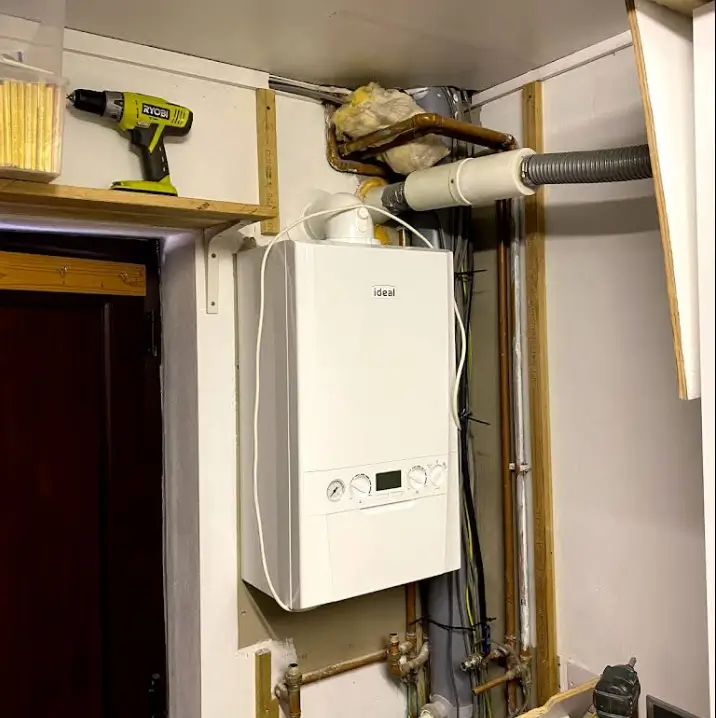
A boiler installation can look simple from a distance. A photograph of an existing boiler, for example, may show its model and location but not reveal everything about the surrounding pipework or access.
A physical survey allows an installer to examine relevant details that may affect the work.
It also gives homeowners the chance to ask questions while the installer is looking at the property. This can make the conversation more specific and useful than receiving a generic estimate.
When researching the best boiler installation companies, consider the quality of the information they provide about your particular installation rather than relying entirely on the lowest initial figure.
Which areas should the installer inspect?
Existing boiler and heating system
The installer should identify the current boiler type and understand how it connects to the heating and hot water system.
This helps establish whether the replacement will be a like-for-like installation or whether a different system arrangement is being considered.
Relevant components may include radiators, heating pipework, valves, cylinders, tanks and controls, depending on the existing setup.
Boiler location
The survey should establish whether the proposed boiler position is suitable.
The installer needs to consider available space, servicing access and the practical routes for gas, water, heating, electrical and condensate connections.
If the homeowner wants to relocate the boiler, the survey can identify what additional work may be required.
Should the flue be assessed?
Yes. The flue is an important part of a gas boiler installation and should be considered alongside the appliance.
The installer should assess the existing arrangement and determine what is required for the replacement boiler. The terminal position, route and compatibility with the proposed appliance can all be relevant.
If the flue needs to be altered or replaced, that should ideally be identified during the planning stage.
This is one reason homeowners should be cautious about comparing quotes based solely on an appliance and a basic fitting price.
What about the gas supply?
The gas supply and relevant pipework should be considered as part of the survey.
An installer needs to establish whether the existing arrangement is appropriate for the proposed boiler and whether any modifications are required.
Older properties can have different pipework arrangements from newer installations, so assumptions based on the age or appearance of the boiler are not always sufficient.
A thorough assessment should make any known gas supply requirements clear before installation begins.
Let’s get started, Which fuel powers your boiler?
It just takes 60 Sec
And then you can book a free consultation
How should heating controls be considered?
Heating controls are another part of the overall system.
An installer should check the existing thermostat, programmer and related controls to determine whether they are compatible with the proposed boiler and whether they are in suitable condition.
The homeowner should also be asked about how they use their heating. A household may want to retain its existing controls, while another may want to update them as part of the replacement.
A good survey creates space for that discussion.
Does the survey need to consider hot water requirements?
Yes, particularly where a change in boiler type is being considered.
A household’s hot water requirements can influence whether a combi boiler, system boiler or regular boiler is appropriate.
The installer may ask about the number of occupants, bathrooms and typical hot water usage. The existing water system may also need to be considered.
This helps ensure that the recommended appliance is suitable for the way the property is actually used.
What should be recorded in the survey?
There does not need to be a single universal survey format, but the important findings should be reflected in the installation proposal.
| Survey area | Questions the assessment should answer |
| Existing boiler | What type is currently installed? |
| Proposed boiler | What appliance is being considered? |
| Location | Where will the replacement be fitted? |
| Flue | Is the existing arrangement suitable? |
| Gas supply | Are the supply and connections appropriate? |
| Pipework | Will modifications be required? |
| Controls | Can existing controls remain? |
| Condensate | How will drainage be arranged? |
| Access | Can removal and installation be completed safely? |
| System | Are wider heating components relevant to the plan? |
The more clearly these points are understood, the easier it is to establish the actual scope of the project.
What questions should you ask when comparing installers?
When comparing boiler installation companies, ask each installer broadly the same questions.
For example:
- Will you carry out a home survey before the final quotation?
- What boiler are you recommending and why?
- Have you checked the existing gas supply?
- Is the flue arrangement suitable?
- Are controls included?
- Have you assessed the condensate route?
- Is removal and disposal of the old boiler included?
- Are any pipework changes expected?
- What happens if an unexpected issue is discovered?
- What testing and commissioning are included?
The answers can help you understand whether the quotations are genuinely comparable.
If you want a clearer explanation of what your installation requires, speak to JA Plumbing And Heating Solutions Ltd about your property and existing heating system.
Should you compare quotations or the entire installation plan?
Both matter, but the quotation needs context.
Two installers may provide different prices because they have included different levels of work. One may include upgraded controls or additional pipework, while another may have priced only a basic replacement.
Rather than assuming the cheaper figure represents better value, check what each quotation actually covers.
Look for differences in:
- Appliance specification
- Installation work
- Flue components
- Controls
- Pipework
- System modifications
- Removal and disposal
- Testing and commissioning
- Guarantees or warranties
A detailed comparison can prevent an apparently low initial price from becoming difficult to understand later.
What can a good survey reveal before installation?
A survey may identify practical issues that are not obvious to the homeowner.
For example, the proposed boiler location may have limited access, the flue route may require attention, or the condensate drainage arrangement may need changing.
Identifying these matters before the installation allows them to be discussed and, where appropriate, included in the quotation.
This can make the installation easier to organise and gives the homeowner a clearer understanding of what they are agreeing to.
A typical Oxford property example
Imagine a homeowner comparing several installers for a boiler replacement in a two-storey property.
One quotation is based on the existing boiler model and a brief description of its location. Another installer carries out a home survey and identifies the existing flue arrangement, controls, gas pipework and condensate route before preparing the quotation.
The two prices may differ, but they are not necessarily pricing exactly the same work. The survey findings provide useful context for understanding the difference.
What should happen after the survey?
After the assessment, the installer should explain the proposed boiler and installation arrangement.
The quotation should make the main scope of work clear, including any known additional requirements.
Homeowners should have the opportunity to ask questions before accepting the quotation. If something is unclear, it is better to resolve it before the installation date.
The survey is part of the service
A boiler quotation is only as useful as the information behind it. A detailed home survey gives an installer the opportunity to understand the property and gives the homeowner a clearer explanation of the work being proposed.
When comparing the best boiler installation companies, focus on the quality and transparency of the installation plan as well as the price. A thorough assessment should cover the appliance, flue, gas supply, pipework, controls, drainage and access, with the findings reflected in the quotation.
JA Plumbing And Heating Solutions Ltd can assess your existing heating system and explain the practical requirements of a replacement without making the process unnecessarily complicated.
Contact our team to arrange a boiler assessment or discuss your installation requirements in Oxford.
Related articles


Let’s get started, Which fuel powers your boiler?
At a glance
When comparing installers for a new boiler, it is easy to focus on the appliance, headline price or estimated installation time. However, the quality of the assessment carried out before the work begins can tell you much more about how the project is being planned.
A thorough home survey should look at the property as a complete heating installation. The installer needs to understand the existing boiler, heating system, gas supply, flue, controls, pipework and practical access before confirming what is required.
For homeowners comparing boiler installation companies, knowing what a proper survey should involve can help you ask more useful questions and understand whether a quotation has been prepared around your actual property.
What should a thorough boiler survey include?
A home survey should establish the practical requirements of the proposed installation.
Although the exact checks vary between properties, a comprehensive assessment can cover:
- Existing boiler and heating system
- Boiler location
- Proposed appliance
- Gas supply and pipework
- Flue arrangement
- Heating and hot water requirements
- Controls
- Condensate drainage
- Electrical connections
- Access and working space
- Removal of the existing appliance
- Any additional installation work
The survey should then inform the quotation and installation plan.
A company that takes time to understand these details can provide a more meaningful explanation of what the job involves.
JA Plumbing And Heating Solutions Ltd can assess your current heating arrangement and discuss the installation requirements before you make a decision.
Why is a physical assessment useful when comparing installers?
A boiler installation can look simple from a distance. A photograph of an existing boiler, for example, may show its model and location but not reveal everything about the surrounding pipework or access.
A physical survey allows an installer to examine relevant details that may affect the work.
It also gives homeowners the chance to ask questions while the installer is looking at the property. This can make the conversation more specific and useful than receiving a generic estimate.
When researching the best boiler installation companies, consider the quality of the information they provide about your particular installation rather than relying entirely on the lowest initial figure.
Which areas should the installer inspect?
Existing boiler and heating system
The installer should identify the current boiler type and understand how it connects to the heating and hot water system.
This helps establish whether the replacement will be a like-for-like installation or whether a different system arrangement is being considered.
Relevant components may include radiators, heating pipework, valves, cylinders, tanks and controls, depending on the existing setup.
Boiler location
The survey should establish whether the proposed boiler position is suitable.
The installer needs to consider available space, servicing access and the practical routes for gas, water, heating, electrical and condensate connections.
If the homeowner wants to relocate the boiler, the survey can identify what additional work may be required.
Should the flue be assessed?
Yes. The flue is an important part of a gas boiler installation and should be considered alongside the appliance.
The installer should assess the existing arrangement and determine what is required for the replacement boiler. The terminal position, route and compatibility with the proposed appliance can all be relevant.
If the flue needs to be altered or replaced, that should ideally be identified during the planning stage.
This is one reason homeowners should be cautious about comparing quotes based solely on an appliance and a basic fitting price.
What about the gas supply?
The gas supply and relevant pipework should be considered as part of the survey.
An installer needs to establish whether the existing arrangement is appropriate for the proposed boiler and whether any modifications are required.
Older properties can have different pipework arrangements from newer installations, so assumptions based on the age or appearance of the boiler are not always sufficient.
A thorough assessment should make any known gas supply requirements clear before installation begins.
Let’s get started, Which fuel powers your boiler?
It just takes 60 Sec
And then you can book a free consultation
How should heating controls be considered?
Heating controls are another part of the overall system.
An installer should check the existing thermostat, programmer and related controls to determine whether they are compatible with the proposed boiler and whether they are in suitable condition.
The homeowner should also be asked about how they use their heating. A household may want to retain its existing controls, while another may want to update them as part of the replacement.
A good survey creates space for that discussion.
Does the survey need to consider hot water requirements?
Yes, particularly where a change in boiler type is being considered.
A household’s hot water requirements can influence whether a combi boiler, system boiler or regular boiler is appropriate.
The installer may ask about the number of occupants, bathrooms and typical hot water usage. The existing water system may also need to be considered.
This helps ensure that the recommended appliance is suitable for the way the property is actually used.
What should be recorded in the survey?
There does not need to be a single universal survey format, but the important findings should be reflected in the installation proposal.
| Survey area | Questions the assessment should answer |
| Existing boiler | What type is currently installed? |
| Proposed boiler | What appliance is being considered? |
| Location | Where will the replacement be fitted? |
| Flue | Is the existing arrangement suitable? |
| Gas supply | Are the supply and connections appropriate? |
| Pipework | Will modifications be required? |
| Controls | Can existing controls remain? |
| Condensate | How will drainage be arranged? |
| Access | Can removal and installation be completed safely? |
| System | Are wider heating components relevant to the plan? |
The more clearly these points are understood, the easier it is to establish the actual scope of the project.
What questions should you ask when comparing installers?
When comparing boiler installation companies, ask each installer broadly the same questions.
For example:
- Will you carry out a home survey before the final quotation?
- What boiler are you recommending and why?
- Have you checked the existing gas supply?
- Is the flue arrangement suitable?
- Are controls included?
- Have you assessed the condensate route?
- Is removal and disposal of the old boiler included?
- Are any pipework changes expected?
- What happens if an unexpected issue is discovered?
- What testing and commissioning are included?
The answers can help you understand whether the quotations are genuinely comparable.
If you want a clearer explanation of what your installation requires, speak to JA Plumbing And Heating Solutions Ltd about your property and existing heating system.
Should you compare quotations or the entire installation plan?
Both matter, but the quotation needs context.
Two installers may provide different prices because they have included different levels of work. One may include upgraded controls or additional pipework, while another may have priced only a basic replacement.
Rather than assuming the cheaper figure represents better value, check what each quotation actually covers.
Look for differences in:
- Appliance specification
- Installation work
- Flue components
- Controls
- Pipework
- System modifications
- Removal and disposal
- Testing and commissioning
- Guarantees or warranties
A detailed comparison can prevent an apparently low initial price from becoming difficult to understand later.
What can a good survey reveal before installation?
A survey may identify practical issues that are not obvious to the homeowner.
For example, the proposed boiler location may have limited access, the flue route may require attention, or the condensate drainage arrangement may need changing.
Identifying these matters before the installation allows them to be discussed and, where appropriate, included in the quotation.
This can make the installation easier to organise and gives the homeowner a clearer understanding of what they are agreeing to.
A typical Oxford property example
Imagine a homeowner comparing several installers for a boiler replacement in a two-storey property.
One quotation is based on the existing boiler model and a brief description of its location. Another installer carries out a home survey and identifies the existing flue arrangement, controls, gas pipework and condensate route before preparing the quotation.
The two prices may differ, but they are not necessarily pricing exactly the same work. The survey findings provide useful context for understanding the difference.
What should happen after the survey?
After the assessment, the installer should explain the proposed boiler and installation arrangement.
The quotation should make the main scope of work clear, including any known additional requirements.
Homeowners should have the opportunity to ask questions before accepting the quotation. If something is unclear, it is better to resolve it before the installation date.
The survey is part of the service
A boiler quotation is only as useful as the information behind it. A detailed home survey gives an installer the opportunity to understand the property and gives the homeowner a clearer explanation of the work being proposed.
When comparing the best boiler installation companies, focus on the quality and transparency of the installation plan as well as the price. A thorough assessment should cover the appliance, flue, gas supply, pipework, controls, drainage and access, with the findings reflected in the quotation.
JA Plumbing And Heating Solutions Ltd can assess your existing heating system and explain the practical requirements of a replacement without making the process unnecessarily complicated.
Contact our team to arrange a boiler assessment or discuss your installation requirements in Oxford.