
Boiler Installation Oxford: What Happens During the Initial Home Survey?
Replacing a boiler is rarely as simple as taking the old appliance off the wall and putting a new one in its place. Before an installer can recommend a suitable system, they need to understand the property, the existing heating arrangement and any practical work involved.

Why you can trust our content
We understand that the boiler industry can be confusing, with plenty of outdated or misleading information. That’s why we rely only on trusted, proven sources to guide our advice and installations:

At a glance
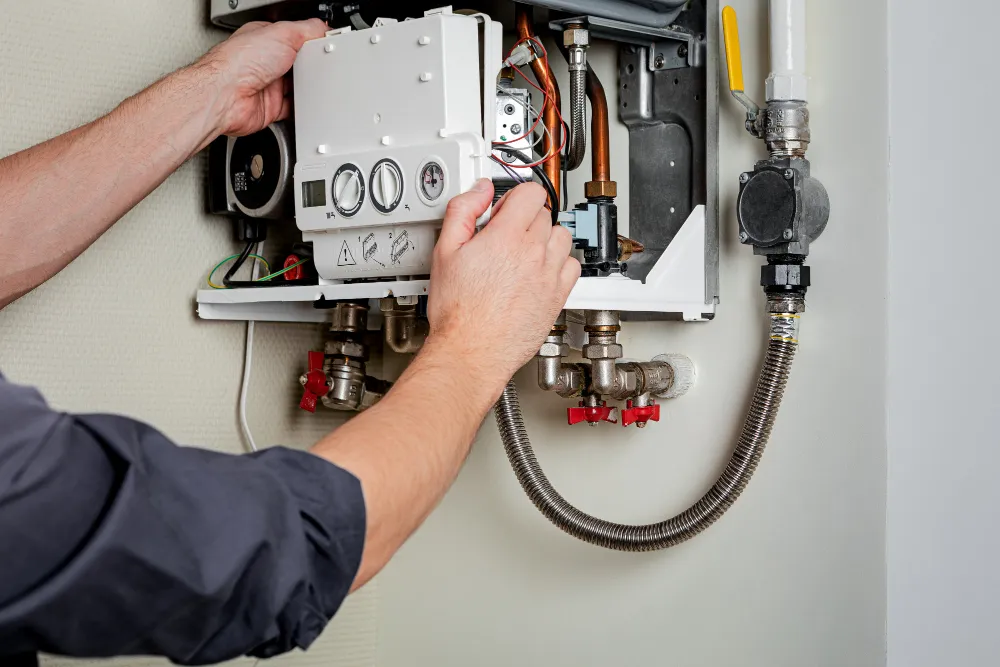
An initial survey gives homeowners a clearer picture of what the installation will involve. It can also identify potential complications before work begins, helping the final plan account for pipework, flue positioning, controls, access and other important details.
If you are considering boiler installation oxford homeowners should understand what a proper survey involves and why the assessment matters.
Why is a home survey important before a boiler replacement?
A home survey allows the installer to assess the installation rather than relying solely on the make and model of the existing boiler.
The survey may establish:
- Where the current boiler is installed
- What type and size of boiler is currently fitted
- How the flue is arranged
- The condition and route of existing pipework
- Where the gas supply enters the property
- The position of the hot water cylinder or cold water storage, where applicable
- Existing heating controls
- Available electrical supplies
- Suitable locations for the replacement boiler
- Access requirements for removing the old appliance
- Any additional work that may be needed
This information helps create a realistic installation plan. It also gives the homeowner an opportunity to discuss preferences before the work is booked.
A reputable boiler fitter oxford homeowners contact should be willing to explain what they have assessed and why particular recommendations have been made.
What does an installer check during the initial survey?
The exact inspection varies according to the property, but several areas are particularly important.
1. Existing boiler and heating system
The installer will normally identify the current boiler type, its approximate age and how it connects to the heating and hot water system.
For example, a property may currently have a combi boiler, system boiler or regular boiler. Changing from one system type to another can involve considerably more work than replacing an appliance with a like-for-like alternative.
The condition of visible components can also provide useful information about whether associated pipework or controls may need attention.
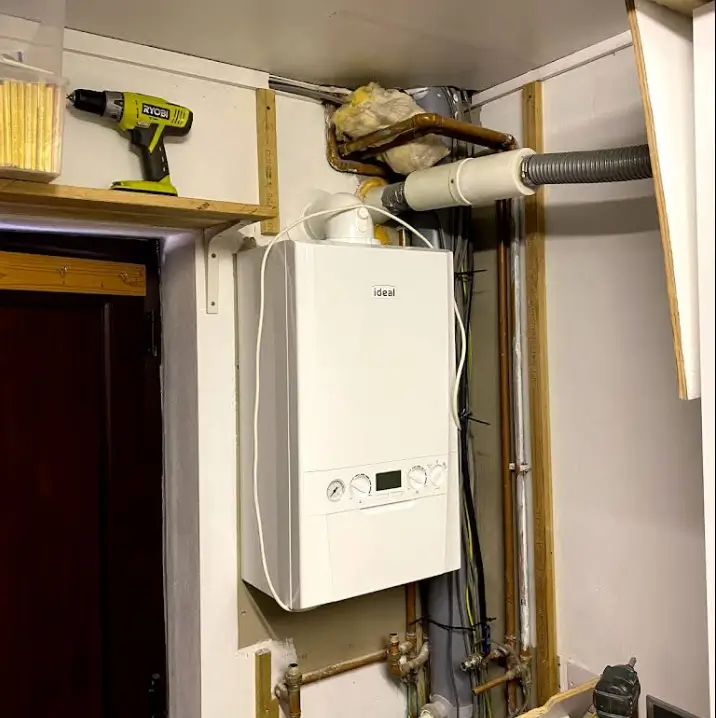
2. Boiler location
The existing boiler location is not automatically the best place for a new appliance.
The installer needs to consider:
- Available wall space
- Clearances around the appliance
- Access for servicing
- Flue requirements
- Pipework routes
- Condensate drainage
- Ventilation requirements where applicable
- Whether the wall or mounting surface is suitable
A different location may sometimes be considered, particularly if the existing position creates access or layout problems.
3. Flue arrangement
The flue is a critical part of a gas boiler installation. Its route and terminal position need to meet applicable safety and installation requirements.
During the survey, the installer can assess whether the existing flue arrangement is suitable for the proposed appliance or whether changes will be required.
This is one reason a physical assessment can be more useful than providing a price based purely on a description of the existing boiler.
Let’s get started, Which fuel powers your boiler?
It just takes 60 Sec
And then you can book a free consultation
What about the gas supply and pipework?
The boiler itself is only one part of the installation.
An installer should assess the gas supply and relevant pipework to determine whether they are appropriate for the proposed appliance. Depending on the property and installation, changes may be necessary.
Water pipework is also worth assessing. Older systems can contain pipework arrangements that are not ideal for a modern replacement boiler, while restricted or awkward routes can affect how installation work is carried out.
The survey should therefore look beyond the appliance and consider the wider system.
Electrical connections and controls
Modern boilers commonly work alongside electronic controls, programmers, thermostats and other components. The installer can check the existing controls and electrical arrangement to establish what can remain and what may need updating.
This is also the point at which homeowners can discuss how they want the heating system to operate.
For example, you might want to retain familiar controls, improve temperature control or replace outdated components as part of the installation.
How does the survey affect the installation plan?
A useful survey turns information about the property into a practical installation plan.
| Survey area | What the installer is assessing | Why it matters |
| Boiler location | Space, access and positioning | Determines where the new appliance can safely go |
| Flue | Route and terminal position | Helps establish whether alterations are needed |
| Gas supply | Supply arrangement and pipework | Confirms suitability for the proposed boiler |
| Water system | Pipework and connections | Identifies possible modifications |
| Controls | Thermostat and heating controls | Helps plan retained or upgraded controls |
| Condensate | Drainage route | Ensures condensate can be discharged appropriately |
| Access | Entry and working space | Helps plan removal and installation |
| System layout | Radiators and heating circuit | Provides context for the replacement |
This information can then be used to prepare a more accurate quotation and explain the expected scope of work.
What questions should you ask during the survey?
The survey is not simply an inspection for the installer. It is also a useful opportunity for the homeowner to clarify what they are paying for.
Consider asking:
- Which boiler type is being recommended and why?
- Will the replacement remain in the existing location?
- Does any gas or water pipework need to be altered?
- Will the existing controls be retained?
- Is the flue arrangement suitable?
- How will the condensate pipe be connected?
- What happens to the old boiler?
- How long is the installation expected to take?
- Are there any likely additional costs?
- What is included in the written quotation?
A boiler fitter oxford homeowners trust should be able to discuss these points clearly without making the process unnecessarily complicated.
Can a survey reveal extra work before installation?
Yes. One of the main benefits of surveying the property before installation is that potential additional work can be identified in advance.
For instance, an installer may discover that the proposed boiler cannot simply use the existing flue route, that pipework needs modification or that the chosen location requires additional preparation.
Not every property presents complications. However, identifying them before installation is preferable to discovering them halfway through the job.
This can also make the quotation more transparent because the homeowner can see which elements have been considered.
If you are planning a replacement, JA Plumbing And Heating Solutions Ltd can assess your existing setup and provide guidance based on the property rather than assumptions.
A typical Oxford home survey scenario
Consider a typical Oxford property with an older combi boiler installed in a kitchen cupboard. The homeowner wants a modern replacement and assumes the new appliance can simply occupy the same space.
During the survey, the installer checks the cupboard dimensions, flue route, gas supply, condensate drainage and surrounding access. They also inspect the heating controls and visible pipework.
The survey confirms that the general location is workable, but some connections require adjustment. These details can be incorporated into the installation plan before the old boiler is removed, reducing the risk of unexpected work on installation day.
What happens after the survey?
Once the assessment is complete, the installer should be able to explain the recommended approach and provide a quotation or proposal covering the planned work.
The homeowner can then compare the information, ask questions and decide whether to proceed.
A written quotation should make it reasonably clear what is included, particularly where additional installation work has been identified.
For anyone researching boiler installation oxford, this stage is valuable because it turns a general replacement idea into a property-specific plan.
Conclusion: A good survey creates a clearer installation plan
An initial home survey is an important part of preparing for a boiler replacement. It allows the installer to look at the whole installation, rather than treating the boiler as an isolated appliance.
Checking the existing system, boiler location, flue, gas and water connections, controls and access can help identify work that needs to be planned before installation day. It also gives homeowners a chance to understand the recommendation and quotation more clearly.
If you are considering boiler installation oxford, taking time to have the property properly assessed can make the process more predictable. JA Plumbing And Heating Solutions Ltd can provide practical guidance based on the individual property and the requirements of the proposed installation.
Speak to our team to arrange expert advice or request a bespoke boiler installation quote.
Related articles


Let’s get started, Which fuel powers your boiler?
At a glance
An initial survey gives homeowners a clearer picture of what the installation will involve. It can also identify potential complications before work begins, helping the final plan account for pipework, flue positioning, controls, access and other important details.
If you are considering boiler installation oxford homeowners should understand what a proper survey involves and why the assessment matters.
Why is a home survey important before a boiler replacement?
A home survey allows the installer to assess the installation rather than relying solely on the make and model of the existing boiler.
The survey may establish:
- Where the current boiler is installed
- What type and size of boiler is currently fitted
- How the flue is arranged
- The condition and route of existing pipework
- Where the gas supply enters the property
- The position of the hot water cylinder or cold water storage, where applicable
- Existing heating controls
- Available electrical supplies
- Suitable locations for the replacement boiler
- Access requirements for removing the old appliance
- Any additional work that may be needed
This information helps create a realistic installation plan. It also gives the homeowner an opportunity to discuss preferences before the work is booked.
A reputable boiler fitter oxford homeowners contact should be willing to explain what they have assessed and why particular recommendations have been made.
What does an installer check during the initial survey?
The exact inspection varies according to the property, but several areas are particularly important.
1. Existing boiler and heating system
The installer will normally identify the current boiler type, its approximate age and how it connects to the heating and hot water system.
For example, a property may currently have a combi boiler, system boiler or regular boiler. Changing from one system type to another can involve considerably more work than replacing an appliance with a like-for-like alternative.
The condition of visible components can also provide useful information about whether associated pipework or controls may need attention.
2. Boiler location
The existing boiler location is not automatically the best place for a new appliance.
The installer needs to consider:
- Available wall space
- Clearances around the appliance
- Access for servicing
- Flue requirements
- Pipework routes
- Condensate drainage
- Ventilation requirements where applicable
- Whether the wall or mounting surface is suitable
A different location may sometimes be considered, particularly if the existing position creates access or layout problems.
3. Flue arrangement
The flue is a critical part of a gas boiler installation. Its route and terminal position need to meet applicable safety and installation requirements.
During the survey, the installer can assess whether the existing flue arrangement is suitable for the proposed appliance or whether changes will be required.
This is one reason a physical assessment can be more useful than providing a price based purely on a description of the existing boiler.
Let’s get started, Which fuel powers your boiler?
It just takes 60 Sec
And then you can book a free consultation
What about the gas supply and pipework?
The boiler itself is only one part of the installation.
An installer should assess the gas supply and relevant pipework to determine whether they are appropriate for the proposed appliance. Depending on the property and installation, changes may be necessary.
Water pipework is also worth assessing. Older systems can contain pipework arrangements that are not ideal for a modern replacement boiler, while restricted or awkward routes can affect how installation work is carried out.
The survey should therefore look beyond the appliance and consider the wider system.
Electrical connections and controls
Modern boilers commonly work alongside electronic controls, programmers, thermostats and other components. The installer can check the existing controls and electrical arrangement to establish what can remain and what may need updating.
This is also the point at which homeowners can discuss how they want the heating system to operate.
For example, you might want to retain familiar controls, improve temperature control or replace outdated components as part of the installation.
How does the survey affect the installation plan?
A useful survey turns information about the property into a practical installation plan.
| Survey area | What the installer is assessing | Why it matters |
| Boiler location | Space, access and positioning | Determines where the new appliance can safely go |
| Flue | Route and terminal position | Helps establish whether alterations are needed |
| Gas supply | Supply arrangement and pipework | Confirms suitability for the proposed boiler |
| Water system | Pipework and connections | Identifies possible modifications |
| Controls | Thermostat and heating controls | Helps plan retained or upgraded controls |
| Condensate | Drainage route | Ensures condensate can be discharged appropriately |
| Access | Entry and working space | Helps plan removal and installation |
| System layout | Radiators and heating circuit | Provides context for the replacement |
This information can then be used to prepare a more accurate quotation and explain the expected scope of work.
What questions should you ask during the survey?
The survey is not simply an inspection for the installer. It is also a useful opportunity for the homeowner to clarify what they are paying for.
Consider asking:
- Which boiler type is being recommended and why?
- Will the replacement remain in the existing location?
- Does any gas or water pipework need to be altered?
- Will the existing controls be retained?
- Is the flue arrangement suitable?
- How will the condensate pipe be connected?
- What happens to the old boiler?
- How long is the installation expected to take?
- Are there any likely additional costs?
- What is included in the written quotation?
A boiler fitter oxford homeowners trust should be able to discuss these points clearly without making the process unnecessarily complicated.
Can a survey reveal extra work before installation?
Yes. One of the main benefits of surveying the property before installation is that potential additional work can be identified in advance.
For instance, an installer may discover that the proposed boiler cannot simply use the existing flue route, that pipework needs modification or that the chosen location requires additional preparation.
Not every property presents complications. However, identifying them before installation is preferable to discovering them halfway through the job.
This can also make the quotation more transparent because the homeowner can see which elements have been considered.
If you are planning a replacement, JA Plumbing And Heating Solutions Ltd can assess your existing setup and provide guidance based on the property rather than assumptions.
A typical Oxford home survey scenario
Consider a typical Oxford property with an older combi boiler installed in a kitchen cupboard. The homeowner wants a modern replacement and assumes the new appliance can simply occupy the same space.
During the survey, the installer checks the cupboard dimensions, flue route, gas supply, condensate drainage and surrounding access. They also inspect the heating controls and visible pipework.
The survey confirms that the general location is workable, but some connections require adjustment. These details can be incorporated into the installation plan before the old boiler is removed, reducing the risk of unexpected work on installation day.
What happens after the survey?
Once the assessment is complete, the installer should be able to explain the recommended approach and provide a quotation or proposal covering the planned work.
The homeowner can then compare the information, ask questions and decide whether to proceed.
A written quotation should make it reasonably clear what is included, particularly where additional installation work has been identified.
For anyone researching boiler installation oxford, this stage is valuable because it turns a general replacement idea into a property-specific plan.
Conclusion: A good survey creates a clearer installation plan
An initial home survey is an important part of preparing for a boiler replacement. It allows the installer to look at the whole installation, rather than treating the boiler as an isolated appliance.
Checking the existing system, boiler location, flue, gas and water connections, controls and access can help identify work that needs to be planned before installation day. It also gives homeowners a chance to understand the recommendation and quotation more clearly.
If you are considering boiler installation oxford, taking time to have the property properly assessed can make the process more predictable. JA Plumbing And Heating Solutions Ltd can provide practical guidance based on the individual property and the requirements of the proposed installation.
Speak to our team to arrange expert advice or request a bespoke boiler installation quote.